
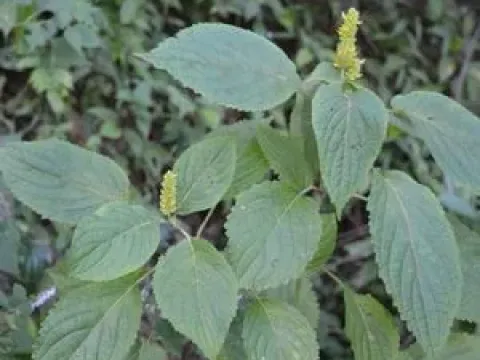
Elsholtzia flava
Elsholtzia flava
Sowing of Elsholtzia flava is typically performed in the spring, once the soil temperature reaches 10-12 degrees Celsius. The optimal timing generally spans from late April to mid-May, depending on the specific climatic region.
What the section contains
Elsholtzia flava
The seeds of this crop demonstrate high germination energy; therefore, they should be sown at a depth of no more than 1-2 centimeters. It is essential to ensure good contact between the seeds and the moist soil to promote uniform emergence.
For commercial-scale production, row seeding is recommended with an interval of 45-60 centimeters. This setup allows for mechanical cultivation and weed control throughout the growing season.
In regions where an early crop is desired, late autumn sowing can be implemented after the first sustained frosts occur. This practice helps ensure earlier vegetative development in the following season.
The seeding rate varies based on seed viability and the chosen method of sowing, averaging between 3 and 5 kilograms per hectare. Avoiding overcrowding is crucial, as high density can adversely affect the quality of the essential oil extracted from the plants.
Elsholtzia flava is an annual herbaceous plant belonging to the Lamiaceae family, highly valued for its essential oil content. This crop requires open, well-lit locations, as shading significantly hinders the accumulation of biologically active compounds.
While not strictly demanding regarding soil types, the best yields are obtained in loose, sandy loam, or light loamy soils with a neutral pH. Waterlogged and heavy clay soils are strictly unsuitable for this crop.
The crop possesses moderate drought resistance; however, during the active growth phase and bud formation, regular moisture is necessary. Excessive soil moisture can increase the risk of fungal diseases affecting the root system.
The temperature optimum for growth ranges from 20 to 25 degrees. Elsholtzia can survive short-term temperature fluctuations, but prolonged cold spells tend to slow down vegetative processes.
Agronomic practices include timely cultivation between rows, removal of competing weeds, and the application of moderate nitrogen-phosphorus fertilizers. Fertilization is most effective during the first half of the vegetative period.
The green biomass yield of Elsholtzia flava under commercial conditions ranges from 15 to 25 tons per hectare. This figure largely depends on soil fertility and the level of overall agronomic management applied to the field.
The output of essential oil varies depending on the developmental stage of the plant and weather conditions at the time of harvest. The highest concentration of active substances is found during the mass flowering stage.
For seed production, yields typically range from 300 to 600 kilograms per hectare. Seed quality is maintained through proper drying and storage techniques after collection.
The crop exhibits a notable ability to regenerate after cutting, which allows for two harvesting cycles in some regions. However, the secondary harvest generally yields a smaller amount of biomass compared to the primary one.
Economic profitability depends on the market demand for essential oils in the pharmaceutical and cosmetic industries. Efficiency is significantly increased when raw material processing facilities are located near the production site.
In high-humidity conditions, Elsholtzia flava is susceptible to root rot and powdery mildew. Prevention relies on sound crop rotation practices and ensuring adequate soil drainage to prevent water stagnation.
The most dangerous pests for this crop include various aphid species and spider mites, which feed on young leaves. This feeding can lead to leaf deformation and a decrease in photosynthetic activity.
To control insect pests, the use of biological control methods or selective insecticides is recommended, provided they are safe for beneficial pollinators and local entomofauna.
Weeds are the primary competitors for Elsholtzia during the early stages of growth. Herbicide application requires extreme caution, as the plant is highly sensitive to certain chemical compounds.
Proper field preparation, including thorough primary tillage, is essential to minimize the risks of disease outbreaks and excessive weed pressure during the active growth phases.
Harvesting is performed during the full flowering phase when the essential oil content in the aerial parts is at its peak. During this time, the plant exhibits its most distinct and intense aromatic properties.
The harvesting technology involves mowing the green biomass at a height of 10-15 centimeters above the soil surface. Using specialized harvester attachments allows for rapid and efficient collection of the raw material.
Immediately after mowing, the biomass must be transported to processing or drying facilities. Any delay in transportation leads to the loss of volatile essential oil components due to evaporation.
Drying is conducted in shaded, well-ventilated areas or specialized dryers at temperatures not exceeding 40 degrees. Excessive heat can degrade the structure of the plant’s aromatic compounds.
For seed collection, harvesting is performed when the seed pods begin to darken but before they crack open. Seeds should then be dried and cleaned of impurities to ensure high viability for the next season.