
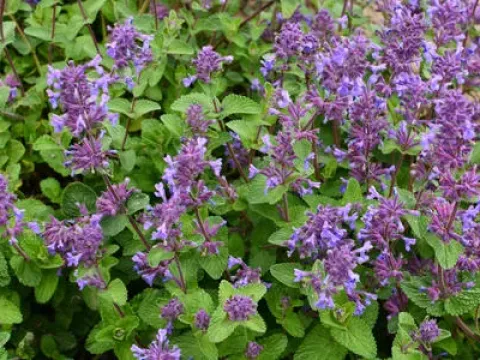
Faassen's catnip
Nepeta hybrids
Faassen's catnip (Nepeta × faassenii) is a popular perennial herb within the Lamiaceae family. It is a sterile hybrid, highly valued in agriculture and landscaping for its long-lasting flowering cycle and high aromatic oil content.
What the section contains
Faassen's catnip
Propagation of this culture is primarily conducted through vegetative methods such as division of mature clumps or softwood cuttings. These methods ensure the preservation of desirable hybrid characteristics in the new generation of plants.
Spring is the ideal time for planting out established plants once the danger of severe frost has passed. The plants quickly develop a robust root system, allowing them to withstand various environmental conditions throughout the growing season.
When sowing or planting, spacing is critical for maximizing yields and ensuring proper air circulation. Typically, a distance of 30 to 50 centimeters between plants is recommended to prevent overcrowding and maintain plant vigor.
Preparation of the soil should occur well before planting, involving the incorporation of organic matter to improve soil structure. The culture thrives in well-tilled, nutrient-rich soil that provides a stable environment for root expansion.
Faassen's catnip is a sun-loving plant that thrives in full sun exposure. While it can tolerate partial shade, maximum oil production and flowering density are achieved in locations with at least six to eight hours of direct sunlight.
Water requirements for this crop are relatively low, as it is naturally drought-tolerant once established. It is important to avoid over-irrigation, as excessive moisture can lead to root system decay and poor plant health.
Soil drainage is perhaps the most critical factor for successful cultivation. The species prefers loose, well-draining soils and may suffer significantly in heavy, compacted, or waterlogged conditions that characterize poor drainage.
The plant demonstrates remarkable adaptability to various temperatures and is generally hardy in temperate regions. It can survive dormant winters with sub-zero temperatures, re-emerging vigorously with the onset of spring warmth.
Maintenance includes routine weeding and light soil cultivation between rows to prevent nutrient competition. Fertilization should be moderate, as excessive nitrogen can prioritize foliage growth over the development of essential aromatic compounds.
The primary concern in a catnip plantation is the development of fungal pathogens, specifically powdery mildew. This usually occurs when air circulation is poor, which is often a symptom of overly dense planting patterns.
Root rot represents a significant risk if the soil remains excessively damp or if the drainage system is compromised. Maintaining a dry surface layer and avoiding stagnant water is the best cultural practice to prevent this issue.
Pests like aphids can occasionally infest new tender shoots, causing curled leaves and stunted growth. Integrated pest management, including the encouragement of natural predators, is usually sufficient to handle these occurrences.
Leaf spots caused by bacterial or fungal agents can occur in humid climates. Regular inspection of the foliage is necessary to detect early signs of infection, which should be addressed by removing and destroying affected plant tissues.
Overall, Nepeta × faassenii is considered a low-maintenance and disease-resistant crop when provided with optimal growing conditions. Proper sanitation within the field remains the cornerstone of its health and productivity.
Harvesting should occur at the peak of the flowering phase to ensure the highest yield of volatile oils. This period is usually identified when the flowers are fully opened but before they begin to wilt or go to seed.
Harvesting in the morning, after the dew has evaporated, is recommended to ensure the highest quality of the harvested material. The plants are typically mowed using equipment set at a height that does not damage the basal crown.
Drying the harvested material immediately is essential for preserving its aromatic qualities. A dark, well-ventilated space is required, as UV light and excessive heat can degrade the delicate essential oils that define the crop's market value.
The processed material should be stored in cool, dry conditions to maintain shelf life. Paper or breathable fabric containers are preferred for storage to prevent the accumulation of moisture, which could lead to spoilage.
Multi-season yields are possible, as the plant typically produces a secondary flush of growth following a successful harvest. Providing a light irrigation and nutrient boost after the first cut can help stimulate this regrowth.