
Elsholtzia pilosa
Elsholtzia pilosa
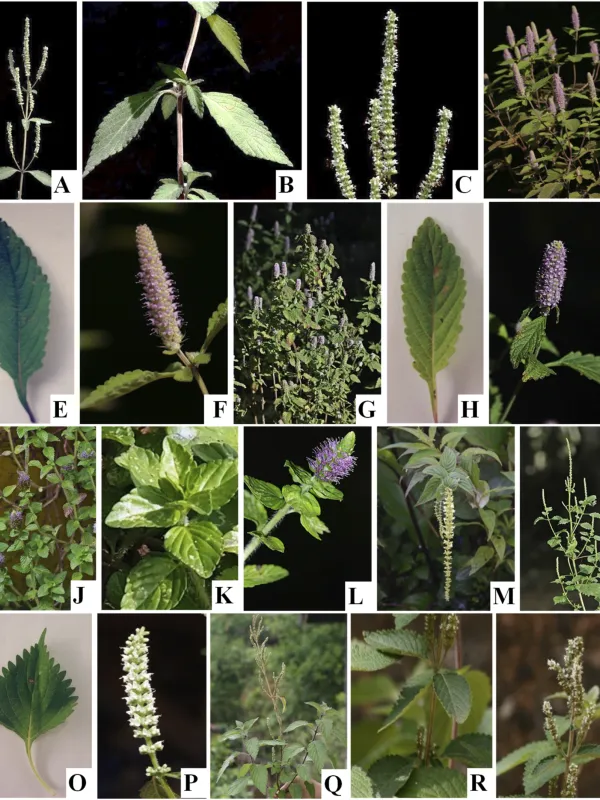
Description
Sowing dates
Elsholtzia pilosa is an annual herb belonging to the Lamiaceae family. Sowing is typically performed in early spring once the soil temperature consistently reaches 8–10 degrees Celsius, as the plant is sensitive to frost.
For industrial cultivation, a row-cropping method with spacing of 45 to 60 centimeters is recommended. This spacing ensures proper airflow and simplifies weed control throughout the plant's growth cycle.
The seeds are relatively small, requiring a shallow planting depth of approximately 1–2 centimeters. Proper compaction of the seedbed is necessary to ensure consistent contact between the seeds and soil moisture.
Depending on the region, early sowing takes advantage of spring moisture, promoting deep root development. Proper crop establishment is key to achieving high yields of the plant's aromatic foliage later in the season.
Thinning should be performed once the seedlings are established to maintain an optimal density of 15–20 centimeters between plants. This prevents overcrowding and ensures each plant has sufficient access to light and nutrients.
Growing requirements
This species thrives in sunny, well-lit locations with fertile, well-draining loamy or sandy soils. It does not tolerate waterlogging, so fields should have excellent drainage to prevent root issues during heavy rainfall.
Elsholtzia pilosa is moderately drought-tolerant, but regular moisture during the early vegetative stage is crucial for building biomass. Once established, it can withstand drier spells without significant loss of quality.
The ideal soil pH for this crop ranges from 6.0 to 7.0. Field preparation must be thorough, involving deep plowing and harrowing to remove perennial weeds that might compete with the young herbs.
Balanced fertilization, particularly with phosphorus and potassium, supports the development of inflorescences and enhances the production of essential oils. Nitrogen should be applied judiciously to encourage growth without compromising the essential oil profile.
Inter-row cultivation is essential to maintain soil structure and suppress weed growth. Keeping the soil surface loose encourages better aeration and supports healthy root system performance throughout the growing season.
Yield
The primary economic output of Elsholtzia pilosa is its aerial biomass, which is rich in aromatic essential oils. Depending on soil quality and agricultural management, yields typically range from 10 to 15 centners of dry matter per hectare.
Peak essential oil concentration is reached during the full flowering stage. Therefore, timing the harvest correctly is the most important factor in maximizing the economic value of the plantation.
The essential oils extracted from this herb are used in the pharmaceutical, cosmetic, and food industries. They are valued for their antiseptic, antimicrobial, and aromatic properties, making them a high-demand commodity.
Quality management involves selecting cultivars with high oil content and ensuring that the drying process is handled carefully. Properly processed biomass ensures the final product meets market standards for purity and fragrance.
Advancements in cultivation technology, including the use of modern harvesting equipment, have improved efficiency for large-scale growers. Continued research into high-yielding varieties promises better returns for producers.
Main diseases and pests
Elsholtzia pilosa is generally resistant to many common agricultural pests due to its natural aromatic and volatile compounds. However, poor crop rotation can lead to increased pressure from soil-borne diseases such as root rot.
In humid conditions, powdery mildew can occur, manifesting as a whitish coating on the leaves. This reduces the photosynthetic area and can affect the overall quality of the harvested essential oil.
Occasional infestations of aphids or mites might occur during prolonged dry spells. Integrated pest management, focusing on biological controls rather than chemical pesticides, is preferred to maintain the crop’s organic status.
To mitigate disease risks, strict adherence to a 3-to-4-year crop rotation cycle is recommended. Additionally, clearing the field of crop residues immediately after harvest reduces the overwintering potential for pathogens.
Prevention remains the most effective strategy for managing threats. Maintaining vigorous plant growth through balanced fertilization and proper field hygiene significantly reduces the need for corrective interventions.
Harvesting
Harvesting is performed when the plants reach the mass flowering stage, which is the optimum time for essential oil accumulation. Using mechanical mowers, the plants are cut roughly 10–15 centimeters above the soil surface.
Harvesting should ideally be conducted during the morning hours, once any morning dew has evaporated. This prevents excess moisture from causing the harvested biomass to spoil during transport or storage.
For immediate essential oil extraction, fresh or slightly wilted biomass is preferred. If drying is required, it must be performed in well-ventilated areas away from direct sunlight to preserve the volatile components.
Drying at temperatures below 40 degrees Celsius prevents the rapid degradation of aromatic compounds. The final product should be stored in moisture-proof containers to maintain its quality over an extended shelf life.
Consistent record-keeping and quality testing ensure that each batch meets industrial specifications. Proper post-harvest handling maintains the market value and integrity of the medicinal and essential oil components.