
Eastern Beebalm
Monarda bradburyana
Description
Sowing dates
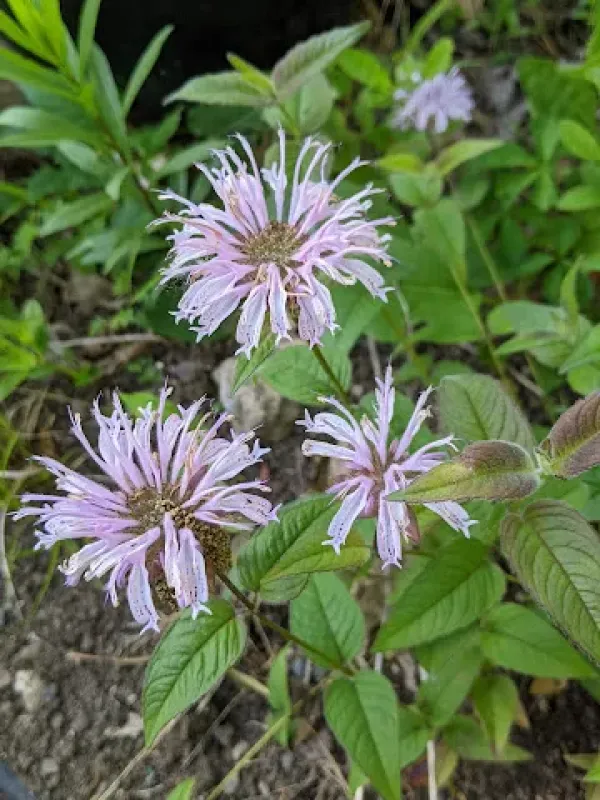
Monarda bradburyana, commonly known as Eastern Beebalm, is a herbaceous perennial belonging to the Lamiaceae (mint) family.
The plant can be propagated by seeds, which typically require a period of cold stratification to break dormancy and ensure uniform germination.
Sowing in the nursery or directly in the garden during late autumn allows seeds to undergo natural winter chilling processes, resulting in stronger seedlings.
When starting indoors, seeds should be sown in late winter and kept at a temperature of approximately 20°C until the sprouts appear.
Vegetative propagation by division is recommended for established clumps, ideally performed during early spring or autumn to minimize transplant shock.
Growing requirements
Eastern Beebalm thrives in full sun to partial shade, showing the best floral production when exposed to direct morning sunlight.
The species prefers well-drained, moderately fertile soil, though it possesses a remarkable ability to adapt to various soil textures and moisture levels.
Watering is crucial during the initial stages of establishment and during prolonged dry spells to prevent premature leaf wilting and growth suppression.
The plant is relatively low-maintenance, requiring minimal fertilization, although a light application of compost in spring promotes vigorous development.
Maintaining adequate spacing between plants is essential to improve airflow, which prevents the build-up of excess moisture around the foliage.
Main diseases and pests
Powdery mildew is the most common physiological challenge for Monarda bradburyana, often triggered by humid conditions and stagnant air circulation.
Insects like spider mites and aphids can become problematic during hot, dry summer months, feeding on the undersides of the leaves.
Integrated pest management, including regular inspection and the use of insecticidal soaps, is highly effective in managing these outbreaks.
Proper garden hygiene, such as removing fallen leaves and debris around the plants in autumn, helps to reduce the survival rate of pathogens.
Root rot can occur in poorly drained heavy soils, so ensuring proper drainage is a critical cultural practice to protect the plant's root system.
Harvesting
Monarda bradburyana is valued for its aromatic properties and its role as a significant pollinator plant, attracting bees, butterflies, and hummingbirds.
For harvesting aromatic foliage or flowers, pick the stems during the peak flowering stage when the essential oil content is at its maximum concentration.
Drying should occur in a dark, airy environment to preserve the vibrant color of the blossoms and the characteristic scent of the plant.
The plant is widely used in landscape design for its unique inflorescences and structural integrity in borders and native wildflower meadows.
Cutting back the spent stems after the flowering cycle encourages the plant to focus its energy on building strong roots for the upcoming dormant season.