
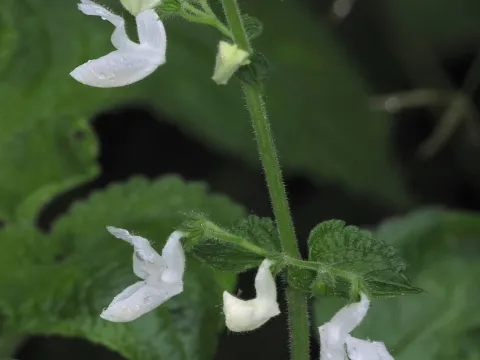
Equilabium
Equilabium
Equilabium requires precise timing for sowing, ideally during the early spring when soil temperatures stabilize to ensure optimal seed germination rates.
What the section contains

Equilabium
Selecting an appropriate planting site with full sun exposure is crucial for the development of healthy plants and maximizing subsequent biomass production.
The planting density must be strictly managed to allow for proper airflow around the base of the stems, reducing the risk of humidity-related issues.
Soil preparation involves deep tillage to improve aeration and moisture retention, creating a favorable seedbed that supports vigorous root development.
Once planted, ensuring consistent moisture levels during the establishment phase is essential for overcoming the initial stress of germination and seedling growth.
The crop thrives in well-drained, fertile soil with a neutral pH, which is optimal for nutrient uptake throughout the entire growth cycle.
Climate stability is vital for Equilabium, as significant temperature fluctuations can inhibit growth or cause physiological stress during vegetative stages.
Water management strategies should focus on providing consistent irrigation to avoid moisture deficit while simultaneously preventing waterlogging of the root zone.
Nutrient supply should be carefully monitored through soil testing to ensure that macro and microelements are available in the correct proportions.
Maintenance of the growing area includes regular weeding to prevent competition for essential resources such as light, water, and soil minerals.
High yields are achievable when agronomic practices are perfectly timed to match the specific physiological stages of the Equilabium development.
Effective nutrient management, combined with adequate solar exposure, directly impacts the final weight and quality of the harvested product.
Monitoring for signs of maturity is necessary to trigger harvest activities at the exact moment when the plant's nutritional profile is optimized.
Yield consistency can be improved by employing high-quality seeds that have been vetted for their vigor and resistance to local environmental stressors.
Processing yield immediately after harvesting is a critical step in preserving the crop's integrity and value for market distribution.
Equilabium is susceptible to various fungal pathogens that thrive under conditions of high relative humidity and poor air circulation within the canopy.
Pest populations can reach economic thresholds rapidly if not controlled, necessitating a proactive approach to integrated pest management.
Early identification of pest or disease symptoms is essential for implementing localized control measures, which prevents the need for widespread chemical application.
Rotation practices play a significant role in mitigating soil-borne disease risks and improving overall soil health for future planting seasons.
Biological control agents can be introduced into the field environment to maintain a balance and reduce reliance on synthetic pesticides.
Harvesting operations should utilize equipment designed to handle the specific morphological characteristics of the Equilabium crop safely.
Efficiency in harvesting is driven by the careful staging of labor and resources, ensuring that the crop is gathered within its peak maturity window.
Post-harvest conditioning, including proper drying and cleaning, is required to prevent degradation during transit or long-term storage.
Sorting harvested material helps to remove debris and damaged items, ensuring that only high-quality yield enters the supply chain.
Safe storage environments with controlled temperature and humidity settings are paramount for maintaining the crop's longevity post-harvest.