
Eriophyton
Eriophyton
Eriophyton is a specialized genus of plants within the Lamiaceae family. Historically and biologically, it is best known for inhabiting high-altitude regions in Central Asia, particularly the Tibetan Plateau, where it thrives in extreme alpine conditions.
What the section contains

Eriophyton
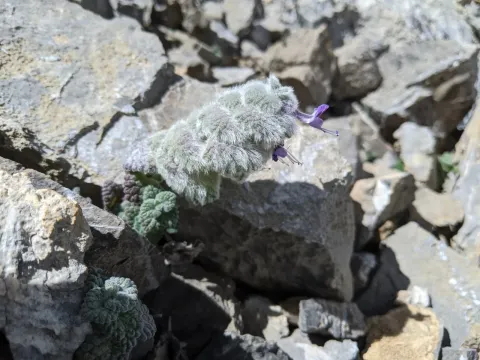
The botanical characteristics of Eriophyton include a dense covering of fine hairs, which serves as a protective layer against intense UV exposure and prevents rapid desiccation in thin mountain air. The plant displays low-growing, compact growth patterns suitable for rocky terrain.
Cultivation requirements for this crop focus on replicating an alpine environment. This includes high exposure to direct sunlight, a constant flow of fresh air, and cool ambient temperatures that avoid extreme heat stress during the summer months.
Soil composition must be highly mineralized and exceptionally well-drained. Heavy or clay-based soils are detrimental to the root health of Eriophyton, often leading to rapid decline or fungal infections if moisture levels exceed the plant's tolerance.
Economically, Eriophyton is utilized primarily in traditional medicine. Due to its unique chemical profile, including secondary metabolites like flavonoids and volatile oils, it remains a subject of interest for pharmaceutical research and niche herbal production.
Fungal pathogens represent the most significant threat to Eriophyton, particularly those thriving in stagnant air or excessively humid environments. Root rot and damping-off are common issues if the drainage is insufficient.
Pest threats include spider mites, which can proliferate quickly if the plant is under moisture stress or if the cultivation space lacks adequate airflow. Aphids may also present a risk during the early stages of plant development.
Given the plant's natural adaptation to high altitudes, it possesses natural chemical defenses that deter many generalist herbivores. However, these defenses can be compromised if the plant is grown outside its optimal bioclimatic range.
Prevention strategies involve implementing strict sanitation protocols and maintaining optimal spacing between individual plants to ensure proper aeration. Integrated Pest Management (IPM) should favor biological controls over synthetic pesticides.
Soil pH management is also critical, as extreme acidity or alkalinity can weaken the plant's overall resilience, making it more susceptible to opportunistic pathogens and reducing its medicinal potency.