
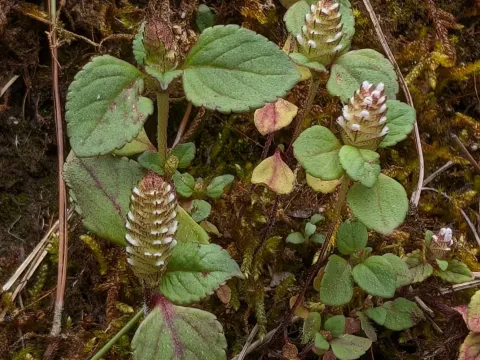
Elsholtzia strobilifera
Elsholtzia strobilifera
Elsholtzia strobilifera is an annual herbaceous plant belonging to the Lamiaceae family. Sowing typically takes place in early spring once soil temperatures consistently exceed 10 degrees Celsius to ensure rapid germination.
What the section contains
Elsholtzia strobilifera
Seeds should be sown at a shallow depth of approximately 1 to 2 centimeters. Because the seeds are small, it is essential to prepare a fine and level seedbed to promote uniform emergence across the field.
Row spacing should be maintained between 30 and 45 centimeters. This distance provides adequate space for plant development and allows for mechanical weeding, which is crucial for young, slow-growing seedlings.
In regions with short summers, starting seeds in a nursery or greenhouse and transplanting seedlings is a common and effective practice. This method ensures that the plants reach their full maturity before the first autumn frost.
Proper seedling density is vital; thinning should be performed early in the season to prevent overcrowding, which can inhibit the growth of individual plants and reduce overall biomass quality.
The plant thrives in full sun exposure. While it exhibits some tolerance for partial shade, high solar radiation is necessary to maximize the production of essential oils, which are the plant's primary commercial value.
Well-drained, fertile, and light loam soils are ideal for the cultivation of Elsholtzia strobilifera. The plant is sensitive to waterlogging, which can easily cause root rot, especially in poorly structured soils.
Irrigation management is essential, especially during the early stages of growth and the period of flower formation. Consistent moisture is preferred over heavy, irregular watering schedules.
Soil nutrient levels should be managed through the application of organic matter or balanced mineral fertilizers. High nitrogen levels during the late flowering stage should be avoided to prevent excessive vegetative growth at the expense of oil quality.
The plant performs best in a temperate climate with warm, dry summers. Protection from strong winds is advisable to prevent physical damage to the flowering spikes and to preserve the aromatic integrity of the plant.
Fungal diseases, particularly powdery mildew, pose a significant threat to Elsholtzia crops. High humidity and poor airflow within the plant canopy often create conditions favorable for these pathogens.
Aphids and spider mites are common pests that feed on the soft tissue of the plants. Early detection is critical, and integrated pest management strategies are recommended to maintain crop health.
Root-related diseases are frequently linked to poor drainage or over-irrigation. Proper field preparation and the avoidance of soil compaction are primary preventive measures for these issues.
Weed control is essential throughout the growing season, as weeds compete for water and nutrients. Furthermore, weeds can host pests that may move onto the Elsholtzia crop later in the season.
Crop rotation practices should be strictly followed to minimize the buildup of soil-borne pathogens. Avoid planting Elsholtzia in fields recently used for other members of the Lamiaceae family.
The harvest should be performed during the peak flowering stage. This is when the plant's essential oil content is highest, providing the most potent aromatic and medicinal properties.
Harvesting is usually done by mowing the aerial parts of the plant, leaving a stubble of about 10 to 15 centimeters. It is best to harvest on dry, sunny days to ensure that the harvested material is not damp.
Immediate drying is required to prevent fermentation or mold growth. Drying should occur in a well-ventilated area or a temperature-controlled dryer kept below 40 degrees Celsius.
Monitoring the drying process is crucial; the material is ready for storage when stems are brittle and snap cleanly. Over-drying can lead to the loss of volatile compounds, while under-drying risks spoilage.
The final dried product should be packaged in airtight containers and stored in a cool, dark place to preserve its pharmacological and aromatic profile for the duration of the shelf life.