


Reference · Crops
Elsholtzia
Elsholtzia
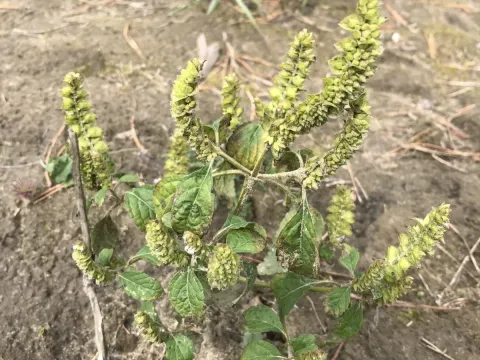
Elsholtzia is an annual herbaceous plant belonging to the Lamiaceae family. Sowing is typically carried out in spring once the soil temperature reaches 10-12 degrees Celsius, usually in late April or early May.
2
items
What the section contains
Marketplace
Products in this section · 1
Elsholtzia
Seeds should be sown in rows with a spacing of approximately 45-60 cm to allow for adequate plant development. The planting depth is shallow, around 1-2 cm, as the seeds require sufficient light to germinate effectively.
The recommended seeding rate is between 3 to 5 kg per hectare, depending on soil conditions and equipment accuracy. High-quality seeds with strong germination energy are vital for establishing a dense and uniform field cover.
In regions susceptible to late frosts, it is advisable to delay sowing until weather conditions stabilize. Elsholtzia seedlings are sensitive to cold, and early exposure to freezing temperatures can significantly reduce crop density.
Rolling the soil lightly immediately after sowing is recommended to improve seed-to-soil contact. This practice promotes moisture absorption by the seeds, leading to faster and more uniform germination across the field.
The plant thrives in light, well-drained sandy loam or loamy soils with a neutral pH. Waterlogged and heavy clay soils should be avoided as they inhibit root respiration and increase the risk of fungal diseases.
Elsholtzia is a highly light-demanding crop. Adequate sun exposure is essential for the accumulation of essential oils; shade negatively impacts both the quality and quantity of the extracted aromatic compounds.
The optimal temperature range for active vegetative growth is 20-25 degrees Celsius. While the plant shows some drought tolerance, consistent moisture levels during the peak growth phase are crucial for high biomass production.
Proper agronomy includes mechanical weed control between rows during the early stages of growth. As the canopy closes, the plant's natural competition against weeds improves, reducing the need for intensive maintenance.
Fertilization with nitrogen and phosphorus is beneficial for maximizing vegetative mass. Split-dose applications during the budding stage are particularly effective in stimulating vigorous flowering and oil synthesis.
Elsholtzia is primarily cultivated for its essential oils, which are widely used in the perfume, cosmetic, and food industries. Additionally, it serves as a valuable honey plant, supporting local pollinator populations.
Harvesting should occur during the full flowering stage to ensure the highest concentration of essential oils in the foliage. Timing the harvest accurately is critical for achieving optimal yield per hectare.
After harvesting, the biomass must be dried in well-ventilated areas or specialized dryers at temperatures not exceeding 40 degrees Celsius. Excessive heat causes the rapid evaporation of valuable aromatic components.
The average yield of dry mass ranges from 15 to 25 centners per hectare under favorable agronomic conditions. The economic viability is closely tied to the volatile oil content and quality of the raw plant material.
In the pharmaceutical industry, Elsholtzia is valued for its antiseptic and anti-inflammatory properties. It is increasingly utilized in the development of phytopharmaceuticals and skincare products.
Common pests include aphids and various species of leaf beetles that feed on the foliage. Regular monitoring of fields is essential to detect pest activity and manage infestations using appropriate, targeted methods.
Root rot is the most common disease, often caused by excessive soil moisture and poor drainage. Maintaining good soil aeration and following proper irrigation schedules significantly reduces the prevalence of this issue.
Powdery mildew can affect crops under high humidity or fluctuating temperature conditions. Preventive measures include ensuring good spacing between rows and using biological fungicides if necessary to protect plant health.
Cutworms can cause damage to the reproductive organs of the plants. Biological control agents are preferred to keep pest populations in check without compromising the chemical purity of the final oil product.
Crop rotation is a fundamental protective measure. Alternating Elsholtzia with cereals or other non-related crops effectively disrupts the disease cycles and prevents the buildup of soil-borne pathogens.