
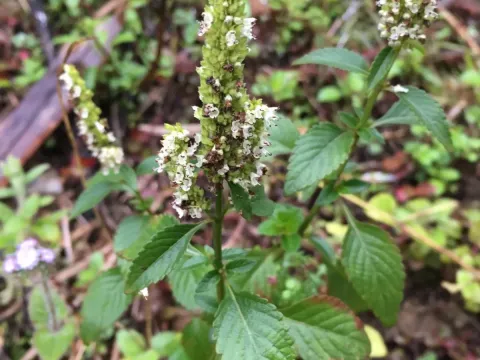
Elsholtzia blanda
Elsholtzia blanda
Elsholtzia blanda is an annual herb belonging to the Lamiaceae family. It is typically sown in spring once the soil temperature consistently reaches 12–15 degrees Celsius for optimal germination.
What the section contains
Elsholtzia blanda
For large-scale cultivation, seeds are sown in rows. Due to their small size, it is essential to ensure they are covered with only a very thin layer of soil to facilitate light access.
Seedlings can also be started in trays under controlled conditions. This approach allows for a head start in the growing season, which is beneficial in regions with shorter summers.
Maintaining a distance of 30–45 cm between rows is recommended to allow adequate space for plants to branch out and develop their aromatic foliage properly.
The total vegetative period ranges from 70 to 100 days. Timely sowing is key to ensuring that the plant reaches its full biomass potential before the autumn temperature drop.
This plant thrives in full sun, which is critical for the development of high-quality essential oils. Shaded locations will result in reduced aromatic output and elongated stems.
The soil should be fertile, well-draining, and rich in organic matter. Sandy loams are considered ideal because they prevent water stagnation near the root zone.
Consistent moisture is required throughout the active growth phase, especially during the early stages of development and at the beginning of the budding phase.
Applying moderate nitrogen fertilizers early in the season promotes lush foliage, which is the primary raw material for industrial processing of the plant.
Proper airflow between plants is essential. A field setup that encourages good ventilation helps maintain healthy plants and minimizes the impact of potential humidity-related stress.
The primary threats include root rot and fungal infections, particularly in poorly drained soils or during prolonged rainy periods that create high-humidity microclimates.
Pests such as aphids often congregate on the soft, young tissue of the plant. If left uncontrolled, they can cause significant curling and damage to the leaves.
Leaf-chewing insects can also cause damage to the foliage, which reduces the overall quality of the harvested material intended for use in the fragrance industry.
Management strategies involve rigorous weed control, as weeds serve as alternative hosts for pests and pathogens that affect the Lamiaceae family.
Integrated pest management, including the use of beneficial insects and resistant varieties, is preferred over excessive chemical treatment to protect the chemical integrity of the harvested oil.
The harvesting process should be executed during the peak of the flowering stage, which is the period when the plant contains the highest concentration of active compounds.
Plants are cut down at a height of approximately 10–15 cm from the ground. Cutting should only take place after the morning dew has completely evaporated to prevent mold.
Post-harvest, the material must be processed immediately. Delayed drying or improper storage can lead to the rapid loss of volatile oils, which are the main commercial value.
Drying is performed in dark, well-ventilated sheds or industrial drying units to preserve the green color and aromatic profile of the foliage.
The harvested product finds its primary utility in the production of natural herbal teas, essential oil extraction, and as a raw material for high-end perfumery ingredients.