
Egyptian hedgenettle
Stachys aegyptiaca
Description
Growing requirements
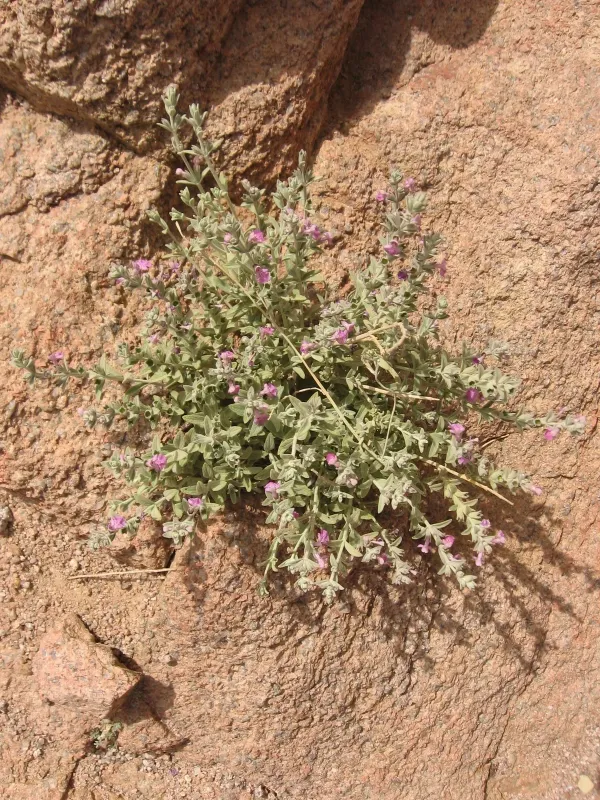
Stachys aegyptiaca, commonly known as Egyptian hedgenettle, is a perennial herbaceous plant belonging to the Lamiaceae family. This species is highly adapted to arid environments, possessing significant physiological mechanisms to survive extreme heat and prolonged droughts common in its native habitat.
Botanically, the plant is characterized by its pubescent foliage and stems, which help in moisture retention. The flowers are typically arranged in verticillasters, a hallmark feature of the Stachys genus, contributing to the plant's distinct appearance and reproductive strategy in harsh climates.
The plant originates from North Africa and the Middle East, thriving in rocky, well-drained soils. Its geographical distribution spans desert and semi-desert ecosystems where it plays a critical role in soil stabilization and supporting local biodiversity through its specialized adaptation to sandy substrates.
Successful cultivation requires environmental conditions that mimic its native arid habitat. It demands porous, low-fertility soils and excellent drainage, as excessive moisture is the primary limiting factor that can trigger physiological stress or susceptibility to pathogens in this species.
Economically, Stachys aegyptiaca is valued for its potential in medicinal and cosmetic applications. The plant produces various secondary metabolites, including essential oils with antimicrobial properties, making it a subject of interest for sustainable agricultural research in arid zones.
Main diseases and pests
The main threats to the health of the Egyptian hedgenettle are fungal infections triggered by high relative humidity. Root rot and powdery mildew are prevalent whenever air circulation is poor or soil moisture levels exceed the plant's natural tolerance thresholds.
Common pests include aphids and spider mites, which can exploit the plant during dry spells. Management strategies should prioritize preventative measures and the maintenance of a dry, well-ventilated environment to naturally deter pest colonization and fungal outbreaks.