
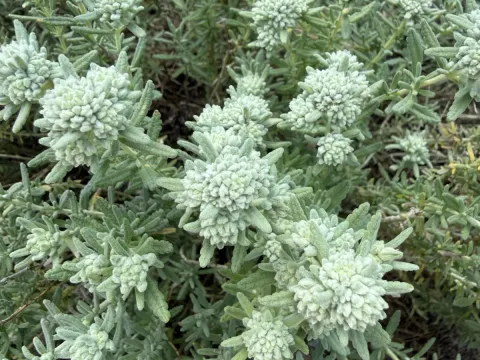
Dune germander
Teucrium dunense
Dune germander (Teucrium dunense) is a perennial herbaceous plant from the Lamiaceae family. It is naturally adapted to sandy soils and dune environments, making it an excellent candidate for stabilizing sandy areas or reclaiming marginal lands.
What the section contains
Dune germander
The plant exhibits remarkable xerophytic traits, which allow it to thrive in arid conditions with minimal water availability. It prefers well-drained, sandy, or loamy soil types and is highly sensitive to waterlogging, which can cause significant damage to the root system.
Regarding climatic needs, Teucrium dunense requires high exposure to sunlight and warm growing conditions. It is physiologically adapted to withstand harsh heat and intense UV radiation, which are typical for its native habitat along coastal regions.
Botanically, it features a robust root system and specialized leaf structures covered with fine hairs, which help the plant minimize transpiration during high-temperature periods. These characteristics make it a hardy and sustainable crop for specific low-maintenance agro-projects.
In terms of agricultural utility, Dune germander is harvested for its aromatic and medicinal properties. It is increasingly studied for the production of essential oils and specialized herbal teas, contributing to the diversity of specialty industrial crops.
The primary threat to Teucrium dunense plantations is fungal disease, particularly root rot, which typically emerges when soil moisture levels are too high. Improving drainage is the most effective preventive measure against such outbreaks.
Pests such as aphids and leaf beetles can cause damage during the vegetative stage. Integrated pest management strategies are recommended, focusing on maintaining field hygiene and promoting natural predators to manage pest populations effectively.
Weed management is critical, especially during the establishment phase. Because the plant grows relatively slowly at the start, manual or mechanical weeding is necessary to prevent competition for soil nutrients and light.
Planting density should be carefully calculated to ensure adequate air circulation between individual plants. High-density planting in humid areas can facilitate the spread of foliage diseases, reducing the overall yield and quality of the raw material.
Monitoring the soil's pH levels is also vital, as excessive acidity can limit the growth of this plant. Maintaining a neutral to slightly alkaline environment helps ensure the plant remains vigorous and resistant to opportunistic infections.