
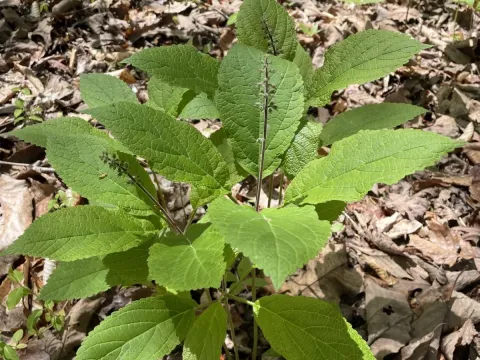
Collinsonia
Collinsonia
Sowing of Collinsonia canadensis seeds should ideally take place in early spring or late autumn. Since the seeds require cold stratification to break dormancy, early autumn sowing allows for natural vernalization during the winter, which significantly improves germination rates.
What the section contains
Collinsonia
Seeds should be covered with a very thin layer of soil, no deeper than 0.5 cm, as they require some exposure to light for successful germination. Spacing between individual plants should be maintained at approximately 40-50 cm to ensure healthy air circulation.
If started indoors, seeds can be sown in late winter. A cool propagation environment is preferred, mimicking natural early spring conditions. Once seedlings reach a height of 5-7 cm, they can be hardened off and transplanted into their permanent outdoor location.
It is crucial to keep the seedbed consistently moist throughout the germination process. Using a fine-mist sprinkler helps prevent the small seeds from being washed away while maintaining the necessary humidity levels.
Weed management during the seedling stage is essential. Because Collinsonia is slow to establish, it can be easily outcompeted by aggressive weeds in the first few weeks of its growth cycle.
As a member of the Lamiaceae family, Collinsonia thrives in environments that replicate its native North American woodland habitat. It prefers semi-shaded areas where it is protected from the intensity of direct midday sunlight.
The plant demands a rich, loamy soil with a high organic matter content. Maintaining an acidic to neutral pH level (around 6.0–7.0) is ideal for optimal nutrient uptake and root development.
Water requirements for Collinsonia are significant. It is a moisture-loving crop that does not tolerate drought well; therefore, irrigation systems or consistent rainfall are necessary to keep the soil structure damp without creating waterlogged conditions.
Temperature tolerance for Collinsonia includes hardy characteristics in temperate zones. During harsh winters, applying a layer of organic mulch around the base of the plant provides vital insulation against frost heaving and extreme cold.
Regular fertilization with well-rotted compost or a balanced organic fertilizer during the early growing season encourages lush foliage development, which is the primary source of the plant's medicinal value.
Aphids and spider mites are the most common pests affecting Collinsonia, particularly in greenhouses or during prolonged periods of hot, dry weather. Regular scouting and the use of insecticidal soap are recommended for early control.
Fungal diseases, including powdery mildew, can occur if the plant is grown in areas with poor airflow. Improving ventilation and avoiding overhead irrigation during humid evenings are effective preventative strategies.
Slugs and snails can severely damage young leaves. Implementing physical barriers such as copper tape or using organic snail bait around the base of the plants can help mitigate these infestations effectively.
Root rot remains a concern if the drainage is insufficient. Always ensure the planting site is elevated or properly amended with organic matter to prevent water from stagnating around the crown of the root system.
Monitoring the plants for symptoms of stress, such as yellowing leaves or wilting, allows for quick intervention. Removing affected leaves immediately can prevent the localized spread of pathogens across the entire plot.
Harvesting the aerial parts of Collinsonia should be done during the full bloom stage. This timing ensures that the concentration of volatile oils and medicinal compounds is at its peak, providing the highest quality yield.
When harvesting, use clean, sharp pruning shears to cut the stems, leaving a substantial portion of the base to facilitate regrowth. Depending on the length of the season, a secondary harvest is sometimes possible.
The harvested material must be dried in a dark, well-ventilated location. Rapid drying via air circulation is preferred over heat to prevent the loss of delicate aromatic compounds and to ensure the herbs remain vibrant.
For those interested in the root portion of the plant, harvesting should be delayed until late autumn when the plant enters dormancy. Clean the roots thoroughly, removing all soil particles, before starting the drying process.
Proper storage is essential for maintaining product quality. Store dried Collinsonia in airtight containers away from direct light and moisture to ensure that the medicinal properties are preserved for up to two years.