
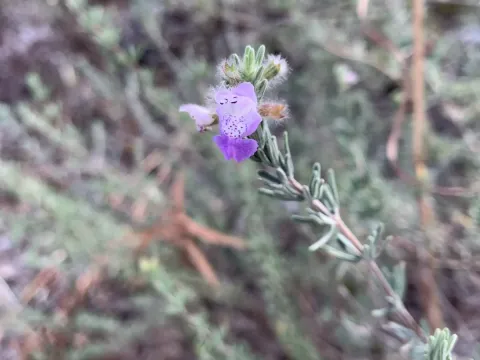
Conradina
Conradina
Sowing Conradina seeds is best accomplished in early spring once the risk of frost has passed and soil temperatures allow for active germination.
What the section contains
Conradina
Seeds may require a short period of cold stratification to break dormancy and ensure a uniform germination rate in greenhouse conditions.
Surface sowing is recommended as the small seeds of this genus require light to germinate effectively within the growing medium.
Transplanting seedlings into the garden should be done only after they have developed a strong root system, typically after 8 to 10 weeks of growth.
Proper spacing is crucial to prevent the overcrowding of mature plants, ensuring sufficient light penetration to the lower branches.
Conradina belongs to the Lamiaceae family, sharing many characteristics with other aromatic plants like rosemary or thyme in terms of climate needs.
The plant thrives in well-draining, sandy, or rocky soils, mimicking the conditions of its native habitats in the southeastern United States.
Full sun exposure is a non-negotiable requirement for this species, as it needs intense light to synthesize its characteristic essential oils.
Water requirements are relatively low; the soil should be allowed to dry out completely between waterings to prevent root-related issues.
Nutrient management should focus on maintaining low-fertility soils, as high-nutrient environments can lead to weak, leggy growth.
Harvesting the aromatic foliage is typically done during the peak of the growing season when the concentration of essential oils is highest.
Care should be taken to prune only the new growth, allowing the woody base of the plant to remain intact for perennial regrowth in future seasons.
Drying the harvested material should occur in a cool, shaded, and well-ventilated area to preserve the delicate aromatic compounds in the leaves.
Regular light pruning after flowering can help maintain the shape of the shrub and encourage denser growth for subsequent harvests.
Proper storage in airtight containers ensures that the harvested herb retains its potency and fragrance for an extended period.
Root rot is the most significant threat to Conradina, primarily caused by overwatering or planting in heavy, clay-based, poorly draining soil.
Powdery mildew may manifest as a white film on the leaves, especially when humidity levels are persistently high and air circulation is poor.
Spider mites can occasionally infest plants under heat stress, causing discoloration and a loss of the plant's natural essential oil fragrance.
Lack of proper pruning can result in weak, woody centers, which makes the plant more susceptible to fungal infections during the winter months.
Monitoring for signs of pests or disease is essential, as swift removal of affected stems can prevent the spread to the rest of the shrub.