
Coastal Sideritis
Sideritis littoralis
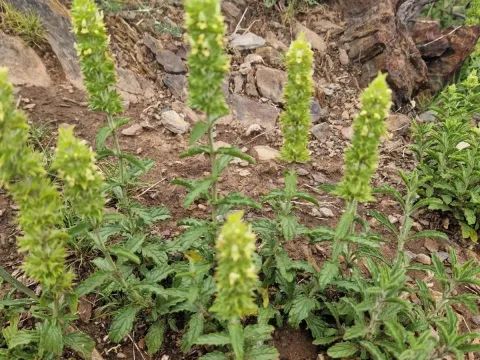
Coastal Sideritis (Sideritis littoralis) is a perennial herbaceous plant belonging to the Lamiaceae family. This species is native to coastal regions, having evolved to thrive in alkaline, rocky substrates and harsh environmental conditions with high UV exposure.
What the section contains
Coastal Sideritis
The plant exhibits distinctive botanical traits, including dense trichomes (hairs) covering the stems and foliage, which provide natural protection against water loss. Its flowers appear in whorls, a characteristic structural feature that aids in identification within the genus.
Cultivation requires well-drained soil with a neutral to slightly alkaline pH. Proper aeration of the substrate is essential, as the roots are highly sensitive to hypoxia caused by waterlogging, which can rapidly lead to plant decline.
Coastal Sideritis is highly heat-tolerant and drought-resistant, making it a suitable candidate for xeriscaping or sustainable agricultural projects in Mediterranean-type climates. It requires full sun exposure throughout the day to ensure optimal secondary metabolite production.
In economic terms, the plant is primarily cultivated for the medicinal tea industry, often sold under the name Mountain Tea. It is highly valued for its antioxidant, anti-inflammatory, and neuroprotective properties, with an increasing global demand for natural remedies.
Common pests affecting this crop include spider mites, particularly in hot and dry weather, and various species of aphids that congregate on young shoots. Integrated pest management, focusing on predatory insects, is the preferred strategy for commercial fields.
Pathogenic fungi, such as Phytophthora and powdery mildew, represent the most significant threat to crop health. These diseases are usually triggered by excessive humidity or poor soil drainage, necessitating careful irrigation management and adequate spacing between rows.