
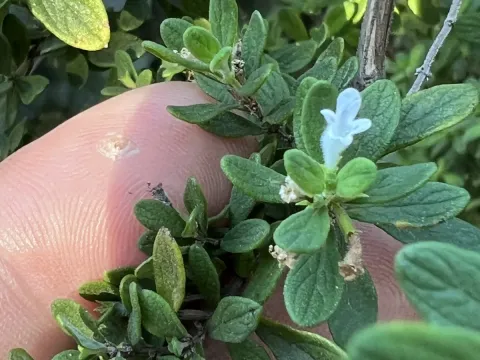
Clinopodium vimineum
Clinopodium vimineum
Clinopodium vimineum, commonly associated with the Lamiaceae family, is a herbaceous perennial that features distinct slender, willow-like foliage. It is widely recognized for its aromatic properties and its specific environmental adaptations in tropical and subtropical zones.
What the section contains
Clinopodium vimineum
The origin of this species is tied to warm climates, where it thrives in diverse ecosystems. Cultivation requires a stable temperature range, as the plant is intolerant to frost and requires a frost-free environment to maintain its biomass production effectively.
Soil requirements are relatively specific: the plant demands well-drained, fertile soil with a slightly acidic to neutral pH. Proper soil structure is essential, as the fine root system of the plant does not tolerate waterlogging, which often leads to root decay.
When selecting a planting site, growers should prioritize areas with ample sunlight. However, in regions with intense solar radiation, partial afternoon shade is beneficial to prevent leaf scorch and preserve the essential oils within the plant tissue.
The agronomic management of Clinopodium vimineum includes regular moisture monitoring and soil aeration. Mulching is highly recommended to maintain consistent moisture levels and to suppress weed competition, which is crucial for young plants.
Fungal pathogens remain the primary threat to this crop, particularly in high-humidity conditions. Botrytis and various root rots are frequent issues that can decimate a crop if irrigation is not managed with precision and good air circulation is not maintained.
Insect pests such as spider mites and aphids are common in hot, dry environments. These pests feed on the succulent leaves, and if left unchecked, they can cause significant stunted growth and reduced leaf quality for commercial harvesting.
The control strategy should focus on Integrated Pest Management (IPM). Using organic insecticidal soaps and introducing natural predators are preferred methods to maintain the herb quality and safety for its intended medicinal or culinary uses.
Weed control is critical during the establishment phase. As a relatively slow-growing species, Clinopodium vimineum struggles to compete with faster-growing grasses and weeds, making manual weeding or carefully applied mulch a standard necessity.
Preventative care, including the removal of dead or decaying plant material, helps reduce the inoculum levels of pathogens. Keeping the planting area clean and well-ventilated is the most effective way to prevent widespread outbreaks of foliage diseases.