
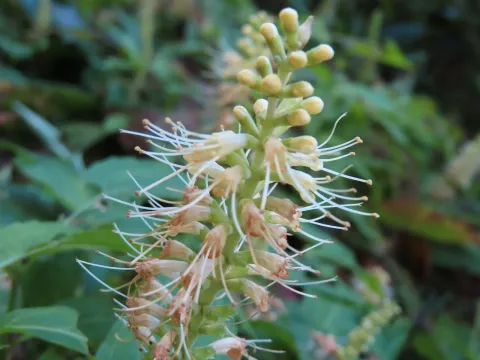
Comanthosphace
Comanthosphace
Comanthosphace is a perennial subshrub belonging to the Lamiaceae family. It is typically propagated through seeds or by dividing the rootstock in early spring, which ensures successful establishment.
What the section contains

Comanthosphace
The sowing process is best conducted when soil temperatures reach 10-12 degrees Celsius. Seeds generally benefit from cold stratification to improve germination rates in temperate climates.
For commercial cultivation, spacing between rows should be maintained at 45-60 centimeters to ensure adequate air circulation and to facilitate mechanical weeding operations during the season.
Seeds should be planted at a shallow depth of approximately 1-2 centimeters. Covering them with a thin layer of soil and keeping the substrate consistently moist is essential for uniform sprouting.
Transplanting seedlings from a nursery setting is a preferred method in shorter growing seasons, allowing the plants to develop a robust root system before the onset of the winter dormancy period.
This crop thrives in sunny locations that provide full exposure, though it can tolerate partial shade in warmer regions without significant loss in essential oil production.
The ideal soil for Comanthosphace is well-drained, fertile loam or sandy soil. It is highly sensitive to waterlogged conditions, which can lead to root system failure and general plant decline.
Moderate irrigation is required, particularly during the active growth phase. While established plants are relatively drought-tolerant, consistent moisture is beneficial during the budding stage.
The plant demonstrates moderate cold hardiness. In regions with severe winters, protecting the base of the plant with mulch is advised to safeguard the crown from freezing temperatures.
Nutrient management is key; the application of balanced, slow-release fertilizers can support the dense vegetative growth required for high-quality aromatic or medicinal yield.
The primary threats to this culture are fungal pathogens, specifically those causing root rots and powdery mildew, which flourish in stagnant, humid environments with poor airflow.
Insect pests such as aphids and spider mites can colonize the foliage during hot, dry spells, potentially reducing the overall vigour and photosynthetic capacity of the plants.
Effective management includes maintaining proper distance between plants to prevent humidity buildup and ensuring the site is kept free from host weeds that may harbor pests.
In the event of an outbreak, integrated pest management (IPM) strategies, including biological controls, should be prioritized to maintain the quality of the plant material.
Sanitation practices, such as the removal of dead foliage after the first frost, help reduce the overwintering capacity of pests and fungal spores in the garden or field area.