
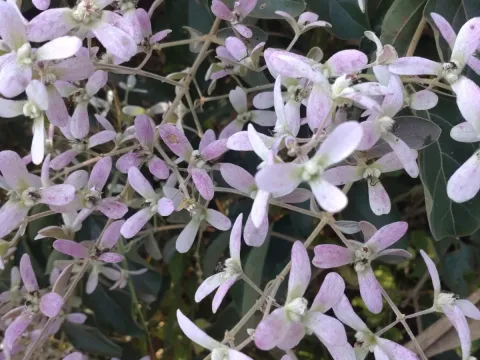
Congea
Congea
Congea is a genus of evergreen woody vines belonging to the Lamiaceae family. These plants are native to the tropical regions of Southeast Asia, where they thrive in warm, humid environments with minimal seasonal temperature fluctuations.
What the section contains


Congea
The climate requirements for Congea are strict: it is a tropical plant that cannot survive frost. Successful cultivation depends on maintaining temperatures between 22 and 28 degrees Celsius throughout the growing season.
The crop prefers fertile, well-draining soil with a neutral or slightly acidic pH. Waterlogging is detrimental to the root system, so ensuring proper drainage in containers or garden beds is critical for the plant's health.
Congea requires bright, indirect light to produce its characteristic colorful bracts. While it tolerates full sun in its native habitat, potted specimens may need partial shade during the intense mid-afternoon heat to prevent leaf burn.
Standard agrotechnical practices for Congea include regular watering during active growth and pruning after the flowering phase. Pruning is essential to manage the plant's vigorous growth and encourage denser branching for a more impressive floral display.
Typical pests affecting Congea include spider mites, scale insects, and mealybugs. These pests are often attracted to the plant when ambient humidity levels drop too low or when the plant is kept in poorly ventilated areas.
Fungal diseases, including root rot and powdery mildew, are the primary threats caused by poor agricultural management. Overwatering combined with stagnant air is the most common cause of root rot, leading to wilting and decay.
Proactive management includes regular inspections of the underside of leaves to detect pests early. Using systemic insecticides or organic oils can manage populations before they cause significant damage to the vine.
Preventing fungal issues relies on careful irrigation practices and providing enough spacing between plants to ensure adequate airflow. If infections occur, applying appropriate fungicides and adjusting the watering schedule is necessary.
Maintaining the overall vigor of the plant through balanced fertilization helps increase its resistance to diseases. Healthy plants are far less susceptible to secondary infections and infestations than those stressed by nutrient deficiencies.