
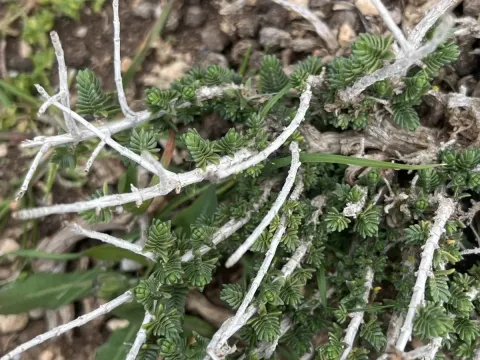
Coridothymus
Coridothymus
Coridothymus seeds are primarily sown in a controlled greenhouse environment during late winter or early spring to produce healthy transplants. Because the seeds are extremely fine, they should be surface-sown and only lightly covered with a thin layer of sand or vermiculite.
What the section contains
Coridothymus
In regions with a Mediterranean climate, direct sowing in the field is possible once the soil has consistently warmed up. The ideal temperature range for germination is between +20°C and +22°C with stable moisture levels maintained in the growing medium.
When using the transplanting method, young plants should be moved to their permanent outdoor location once they develop 4-6 true leaves. Hardening off the seedlings is a crucial step to reduce transplant shock and ensure successful establishment in the field.
The recommended planting density is 30-40 cm between plants within rows, with up to 50 cm between rows to ensure proper airflow. Avoiding overcrowding is essential, as dense foliage inhibits air circulation and increases disease susceptibility.
As a perennial subshrub, a well-managed plantation can remain productive for 5-7 years. Periodic crop rotation and plantation renewal are recommended to maintain soil health and overall yield consistency.
Coridothymus is a sun-loving plant that requires maximum exposure to direct sunlight. Shaded conditions lead to etiolated, leggy stems and a significant reduction in the synthesis of essential oils, which are the primary economic value of the crop.
The plant is highly sensitive to soil drainage and cannot tolerate waterlogged roots. Ideally, it should be cultivated in rocky, sandy, or well-draining loamy soils with a neutral to slightly alkaline pH level.
This species is exceptionally drought-tolerant, featuring morphological adaptations that allow it to thrive in arid conditions. Excessive irrigation, especially in humid or cool environments, is detrimental and often leads to root rot.
In regions prone to severe winters, protection or mulching may be required to prevent freeze damage. The plant demonstrates high resilience to hot, dry summer winds typical of its natural Mediterranean habitat.
Mineral fertilization should be applied sparingly, as excess nitrogen promotes rapid vegetative growth at the expense of aroma intensity. Maintaining moderate soil fertility is key to producing high-quality essential oil.
Yield levels depend significantly on the age of the plantation, light availability, and soil drainage. The harvested product consists of the flowering terminal stems of the plant.
Under optimal agronomic conditions, growers can achieve yields of 2 to 4 tonnes of dry matter per hectare. The essential oil content varies based on harvest timing and specific environmental factors during the growth season.
Maximum concentrations of essential oils occur during the peak flowering stage, making it the most important time for harvest. In warmer climates, two harvests per season are achievable, enhancing the economic viability of the crop.
Regular pruning is vital for maximizing yield, as it promotes new shoot development and prevents the plants from becoming overly woody. Systematic renewal of the canopy ensures long-term productivity.
For processing, the harvested biomass must be cleaned of impurities and dried quickly. Efficient drying techniques preserve the aromatic compounds and ensure the final product meets market standards.
The primary threats to Coridothymus plantations are soil-borne fungal pathogens, particularly root rot, which are triggered by poor drainage or overwatering. Strict moisture management is the most effective preventive measure.
Powdery mildew may occur during periods of high humidity and poor ventilation. Preventive applications of sulfur-based fungicides or cultural practices, such as thinning the rows, are recommended to control these outbreaks.
Pests like aphids and spider mites can cause damage, especially in greenhouse settings or during periods of extreme heat and drought. Integrated pest management strategies should be prioritized over chemical applications.
Over-fertilization with nitrogen weakens the plant's natural defenses, making it more attractive to sucking insects. Maintaining a balanced nutrient profile is essential for keeping the plants robust and disease-resistant.
Consistent monitoring and weed control are necessary to prevent the buildup of pests. It is strongly advised not to plant Coridothymus in soil that previously hosted related Lamiaceae species to avoid soil-borne disease accumulation.
Harvesting should take place when the plants are in full bloom, which is when the concentration of essential oils is at its highest. This typically occurs in mid-summer depending on the local climate.
Using sharp shears, the top 15-20 cm of the flowering stems should be cut, taking care not to damage the woody base of the plant. Mechanical harvesters may be used for larger commercial operations.
Once harvested, the material must be moved immediately to a drying facility to prevent self-heating and degradation. Drying temperatures should stay within the +35°C to +40°C range to avoid the loss of volatile compounds.
The material should be spread on breathable racks in a shaded, well-ventilated area. Rapid, uniform drying is crucial to maintaining the quality and aromatic profile of the herb.
After reaching the desired moisture content, the leaves and flowers are threshed from the stems and stored in airtight containers. Proper storage protects the oil content from oxidation and moisture absorption.