
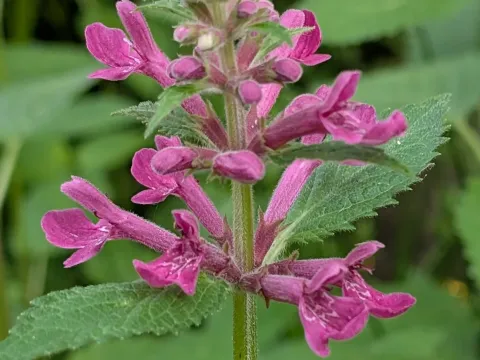
Coast hedge-nettle
Stachys chamissonis
Coast hedge-nettle (Stachys chamissonis) is a perennial herbaceous plant belonging to the Lamiaceae family. It is native to the coastal regions of North America and is well-adapted to environments with consistent moisture availability.
What the section contains
Coast hedge-nettle
The culture thrives in fertile, well-draining soils that are rich in organic matter. Proper soil structure is essential for maintaining the health of its root system and supporting vigorous top-growth throughout the growing season.
Optimal growth is achieved in full sun exposure. While the plant can tolerate partial shade, maximum sunlight is required to promote dense foliage and healthy flower production, which are characteristic of this species.
Climatic requirements focus on temperate conditions with moderate humidity. The species is sensitive to extreme frost, so it is recommended to provide insulating mulch during winter months to protect the plant's crown from freezing temperatures.
Agronomic management involves periodic irrigation and nutrient supplementation. Maintaining a consistent soil moisture level is the most important factor in preventing stress and ensuring the long-term vitality of the crop.
Root rot represents the most significant threat to Coast hedge-nettle, particularly in poorly drained or waterlogged soils. Mitigation strategies focus on soil preparation and improving aeration to prevent fungal pathogen proliferation.
Pests such as spider mites may occur during periods of low humidity. These insects can cause yellowing and leaf damage if left unchecked, making early detection vital for effective crop protection.
Leaf-eating beetles are common visitors that can compromise the appearance and health of the plant. Biological controls or manual removal are recommended in smaller cultivation settings to manage these pest populations.
Slugs and snails pose a risk to young plants in moist, temperate habitats. Implementing physical barriers around the planting zones effectively minimizes the damage caused by these nocturnal mollusks.
Preventative maintenance, including the removal of dead or dying plant debris, is essential. Keeping the cultivation area clean reduces the overwintering sites for insects and spores of harmful fungi.