
Cloud Sage
Salvia nubicola
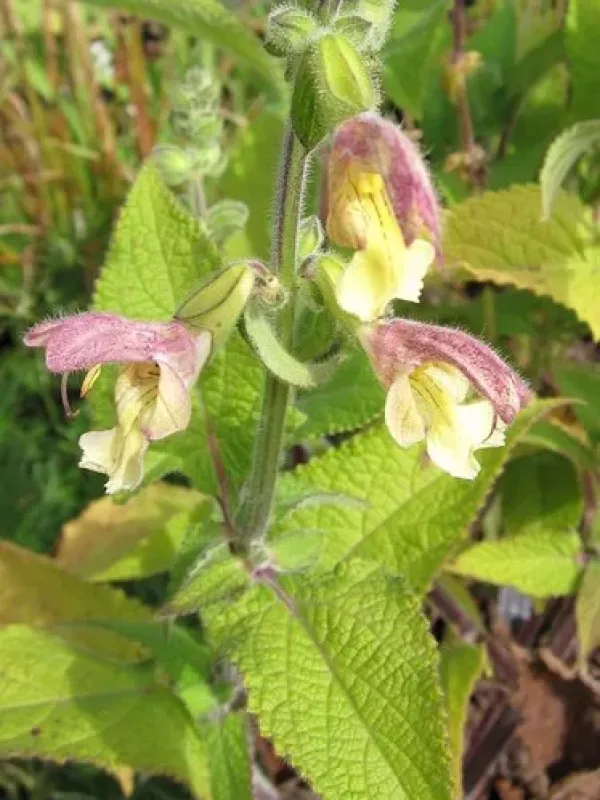
Description
Sowing dates
Cloud Sage is typically sown in early spring or during the autumn season. Seeds require a well-prepared, fine-textured seedbed to ensure optimal contact with the soil and uniform germination rates.
The seeds should be sown shallowly, ideally at a depth of 0.5 cm, as they require a degree of light exposure to trigger germination. Covering them with a thin layer of fine vermiculite can help maintain consistent moisture.
Starting seeds indoors in a greenhouse environment about 6 to 8 weeks before the last frost provides the best results for commercial production. This ensures robust plant development before transplanting.
Outdoor direct sowing is viable in regions with long growing seasons, provided the risk of late spring frost has completely passed. Maintaining soil moisture during the initial three weeks is critical for successful establishment.
The spacing between plants should be approximately 45–60 cm to allow for proper air circulation. Proper spacing significantly reduces the risk of fungal diseases during the vegetative growth stage.
Growing requirements
Salvia nubicola originates from high-altitude Himalayan habitats, which dictates a requirement for excellent drainage. The soil should be gritty, sandy, or loamy to prevent moisture buildup in the root zone.
The ideal soil pH for this species is neutral to slightly alkaline, ranging from 6.0 to 7.5. Testing soil samples before planting is advised to ensure nutrient availability is within the target parameters.
Full sunlight is preferred for the best development of essential oils and vibrant flowering. However, in extremely hot climates, partial afternoon shade can prevent heat stress and foliage wilting.
Watering should be deep but infrequent, allowing the top layer of soil to dry out between sessions. This approach mimics the natural mountain slope conditions to which the species is evolutionarily adapted.
While the plant is relatively hardy, providing a protective mulch of organic compost or bark during the winter months can help preserve soil temperature and protect root buds from extreme cold cycles.
Main diseases and pests
The most common threat to Salvia nubicola is crown rot caused by poor soil drainage. Ensuring that the site is elevated or modified with aggregate materials can mitigate this risk effectively.
Powdery mildew is a prevalent foliage disease, particularly in humid or stagnant air environments. Increasing the spacing between individual plants is the primary cultural control method for this pathogen.
Insect pests such as spider mites or aphids may feed on the tender young growth of the plant. Monitoring the underside of leaves and new shoots for early signs of infestation is essential for timely intervention.
Root-knot nematodes can potentially impact plant vigor in infested soils. Implementing a strict crop rotation schedule helps reduce the accumulation of soil-borne pests in the production area.
Management of these threats should prioritize integrated pest management (IPM) strategies, including the use of beneficial insects and mechanical removal of infected tissue rather than immediate chemical use.
Harvesting
Harvesting is typically carried out during the flowering peak, as this is when the concentration of essential secondary metabolites in the foliage is at its highest level.
For optimal quality, cutting should take place in the morning after the dew has evaporated but before the intense midday heat. This ensures maximum oil content and preserves the herb's aromatic profile.
Hand-harvesting with sharp, sanitized shears is recommended to prevent damage to the main stems. Ensuring clean cuts promotes rapid secondary regrowth of the plant later in the season.
Post-harvest handling involves quick drying in a shaded, well-ventilated area. Rapid air-drying prevents the degradation of volatile components and maintains the desired green color of the leaves.
Storage should be performed in airtight, light-protected containers to preserve the chemical potency of the harvested product. Proper storage extends the shelf life and commercial value of the herb.