
Conradina
Conradina A. Gray
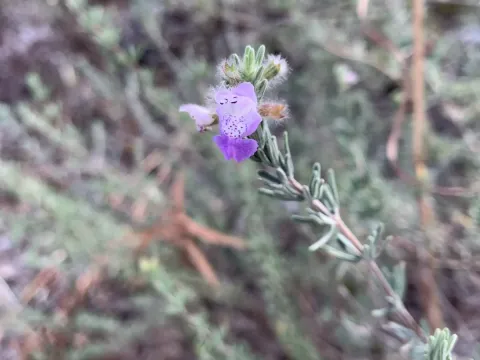
Conradina is a genus of evergreen shrubs belonging to the Lamiaceae family, closely related to rosemary. These plants are known for their resilience and aromatic foliage, which makes them a popular choice in xeriscaping.
What the section contains

Conradina
Native to the southeastern United States, particularly Florida, these plants are perfectly adapted to sandy, nutrient-poor, and well-drained soils. They thrive in environments where other decorative species often fail.
Sunlight is the most crucial requirement for the healthy growth of Conradina. They must be planted in full sun to maintain their dense, bushy structure and to encourage optimal flowering throughout the season.
Botanically, the leaves are small and often have a silvery appearance due to pubescence, which helps the plant conserve water in high-temperature environments. This evolutionary trait makes it an excellent candidate for water-wise landscaping.
Aside from their decorative value, these shrubs are valuable as nectar sources for pollinators. They provide food for bees and butterflies, supporting local biodiversity in their natural habitat.
Excessive moisture is the primary threat to Conradina. High humidity around the roots, especially in heavy or clay-based soils, often leads to root rot and irreversible damage to the plant structure.
Fungal diseases, such as leaf spot or powdery mildew, may occur if there is inadequate air circulation around the shrub. Ensuring enough spacing during planting helps mitigate these risks significantly.
While relatively pest-free in its natural habitat, plants in domestic landscapes may occasionally encounter aphids or scale insects. These should be treated with light, eco-friendly insecticidal soaps.
Preventative maintenance includes annual pruning to remove dead wood and stimulate fresh growth. This keeps the plant rejuvenated and less prone to internal decay.
Avoid excessive fertilization, as Conradina is adapted to lean soils. Over-feeding the plant can lead to weak, succulent growth that is more susceptible to environmental stress and pests.