
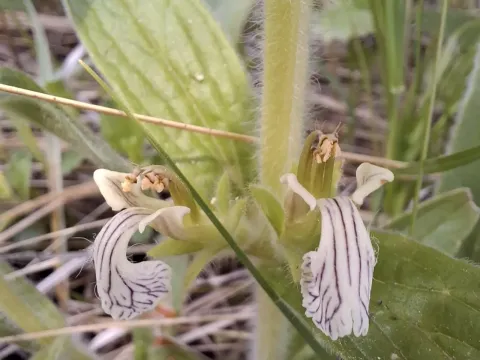
Laxmann's bugle
Ajuga laxmannii
Laxmann's bugle (Ajuga laxmannii) is a perennial herbaceous plant belonging to the Lamiaceae family. Unlike common carpet bugles, this species is characterized by its upright, non-creeping growth habit and dense, grayish tomentose pubescence on its foliage and stems.
What the section contains
Laxmann's bugle
The plant originates from Southeastern Europe and Asia Minor, primarily inhabiting dry rocky slopes and open habitats. Its natural adaptation to harsh environments makes it a highly resilient ornamental choice for gardeners working in temperate climate zones.
Optimal growth requires full sun exposure and well-draining soil conditions. The species thrives in poor, rocky, or sandy soils where other plants might struggle, making it an excellent candidate for xeriscaping or rock garden applications.
Regarding agrotechnical practices, maintenance is minimal. Once established, Laxmann's bugle requires little to no additional fertilization. Occasional watering during extreme summer droughts is beneficial, but the plant generally survives well on natural rainfall patterns.
Its primary agricultural and horticultural value lies in its ornamental use. It serves as an effective soil stabilizer for slopes and a visually striking element in perennial borders, appreciated for its vertical inflorescences and unique silver-green texture throughout the growing season.
The main threats to the plant's health are fungal pathogens, specifically root rot, which occurs in overly compacted or waterlogged soils. Ensuring that the planting site has excellent drainage is the most effective preventative measure against these conditions.
Pest pressure is usually low, though slugs and snails can cause significant aesthetic damage to the leaves during damp spring weather. Implementing physical barriers or organic bait traps is standard procedure for protecting the plants from these mollusks.