
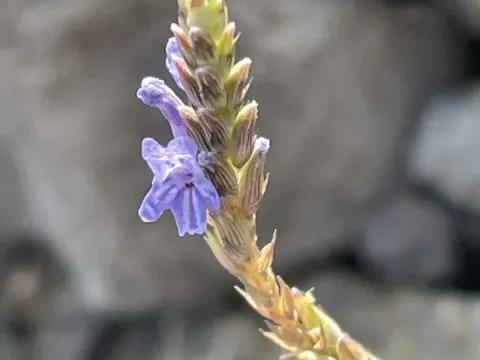
Lavandula coronopifolia
Lavandula coronopifolia
Lavandula coronopifolia is a perennial subshrub belonging to the Lamiaceae family. Unlike more common lavender species, this plant is specifically adapted to arid and semi-arid climates, thriving in challenging environmental conditions.
What the section contains
Lavandula coronopifolia
The plant requires well-drained, sandy, or gravelly soils to prevent root rot, which is a major threat to its health. It performs best in soils with neutral to slightly alkaline pH levels, typical of its native desert habitats.
The geographical origin of this species includes Northern Africa and the Arabian Peninsula. It is a highly light-demanding crop, requiring full exposure to sunlight throughout the day to ensure healthy growth and essential oil production.
Climatic requirements are centered on warmth and low humidity. While the plant is exceptionally drought-tolerant, supplemental watering during the establishment phase and peak flowering may improve overall biomass yield.
Cultural practices include systematic pruning to maintain the plant's shape and prevent overgrowth. Proper aeration through weeding and cultivation of the soil surface is essential for sustaining long-term plantation health.
The primary economic utility of Lavandula coronopifolia lies in the extraction of aromatic essential oils. Harvesting is conducted at the peak of the flowering period to capture the highest concentration of volatile compounds.
The harvesting process involves cutting the inflorescences when the flowers are fully developed. Efficiency in processing, such as rapid transport to distillation units, is critical to maintaining the organoleptic quality of the oil.
Beyond oil production, this species is increasingly recognized for its role in xeriscaping. It provides a sustainable option for landscaping in water-stressed regions, offering both aesthetic appeal and environmental benefits.
The plant contains unique phytochemicals that are of interest to the pharmaceutical and cosmetic industries. Ongoing research aims to optimize yield parameters through careful selection of high-oil-producing genotypes.
Disease and pest management focuses primarily on preventing fungal issues caused by excessive humidity. Vigilance against aphids and spider mites is also necessary to maintain plant vigor throughout the vegetative cycle.