
Lavender-leaved hedge-nettle
Stachys lavandulifolia
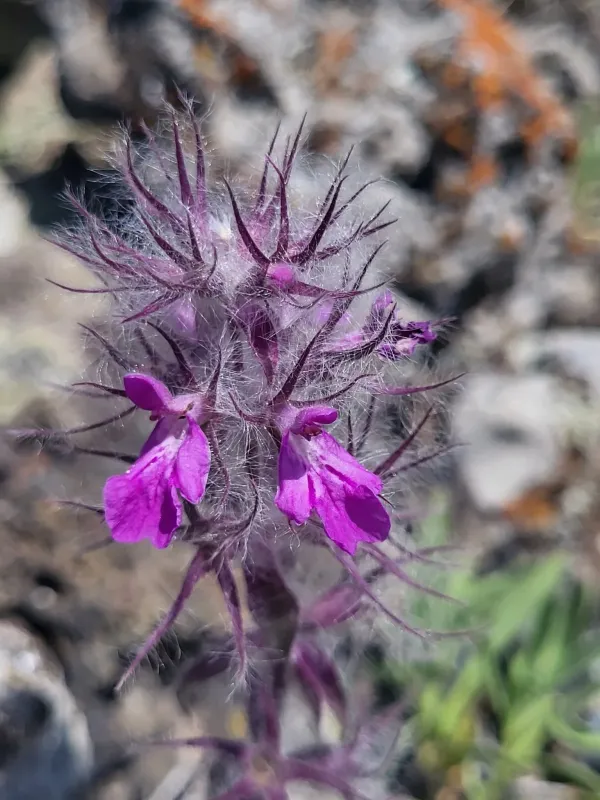
Description
Sowing dates
Sowing of lavender-leaved hedge-nettle seeds is typically performed in the spring once soil temperatures reach 10–12 degrees Celsius. To ensure uniform germination, seeds require cold stratification for 30–45 days prior to planting.
Propagation can also be achieved through division of established clumps, which should be done in early spring or late August. This method is effective for maintaining genetic uniformity and accelerating the establishment of a productive crop.
For greenhouse or nursery production, seeds should be sown in trays approximately 60 days before the projected transplanting date. The seeds require light for germination, so they should be covered with only a very thin layer of substrate, no more than 0.5–1 centimeter deep.
Spacing between individual plants should be at least 30–40 centimeters to accommodate the vigorous development of the root system. Proper spacing prevents plant crowding and facilitates regular maintenance tasks.
For commercial-scale production, row planting is recommended with inter-row spacing of 60 centimeters. This configuration allows for the integration of mechanical weeding and specialized soil cultivation machinery.
Growing requirements
Lavender-leaved hedge-nettle belongs to the Lamiaceae family and is a xerophytic plant naturally adapted to dry environments. Its original range encompasses the mountainous regions of the Caucasus, Iran, and Turkey, where it is found thriving on rocky slopes.
This crop is highly demanding regarding light exposure and thrives in open, sunny locations. Excessive shading causes shoots to become spindly, significantly reduces the essential oil concentration, and diminishes the overall quality of the harvest.
The soil must have excellent water drainage and aeration properties. The plant does not tolerate waterlogging, which often triggers rapid root rot, making it essential to improve drainage in heavy clay soils before planting.
The species excels in limestone, rocky, and nutrient-poor soils. It possesses high drought resistance, making it an excellent candidate for agricultural production in regions characterized by hot and arid summer climates.
Fertilization should be managed conservatively. An overabundance of nitrogen tends to encourage excessive vegetative growth at the expense of biological compound accumulation, so potassium-phosphorus fertilizers are preferred during the early stages of growth.
Yield
The economic yield of the crop depends on the age of the plantation and local environmental conditions. Maximum biomass production is generally achieved during the second and third years after the initial root establishment.
Harvesting should be conducted during peak flowering, as this is when the concentration of essential oils and active flavonoids in the aerial parts is at its absolute maximum. During this phase, the plant displays its most potent anti-inflammatory properties.
Under optimal agronomic management, dry medicinal biomass yields can reach 1.5–2 metric tons per hectare. This value fluctuates significantly depending on water availability throughout the critical spring growing season.
The crop is highly valued as both a pharmaceutical raw material and a high-quality honey source. Its essential oil features a distinct aromatic profile, which finds various applications in the perfume and food processing industries.
Beyond its agricultural use, it is frequently utilized in ornamental landscaping for rock gardens, as its silvery foliage and unique floral spikes maintain their visual appeal throughout the entire vegetative season.
Main diseases and pests
The primary threat to this crop involves fungal diseases exacerbated by high humidity levels in both the atmosphere and the soil. Root rot is a common issue that frequently develops if water accumulates after intense rainfall events.
In high-density stands, plants are prone to powdery mildew outbreaks. The most effective preventative measures include maintaining proper planting distances and ensuring consistent airflow throughout the plantation to reduce ambient humidity.
Aphids are the most frequent insect pest, feeding on the juices of young, tender shoots. Control strategies should prioritize biological insecticides or organic infusions to avoid contaminating the medicinal material.
Nematodes may infest the root system if crop rotation protocols are neglected. To prevent their proliferation, it is essential to disinfect the soil and utilize only certified, disease-free planting materials.
Spider mites may become active during prolonged periods of extreme heat and drought. Regular monitoring of the plantation allows for the identification and management of pest populations before they cause significant economic damage.
Harvesting
Harvesting is performed during dry weather conditions by cutting the stems at a height of 5–10 centimeters from the ground. It is critical to avoid damaging the crown of the plant to ensure vigorous regrowth in the following season.
Once harvested, the material must be dried immediately in a shaded, well-ventilated location. Exposure to direct sunlight must be strictly avoided, as UV radiation causes the degradation of delicate essential oil compounds.
For premium quality output, the moisture content of the dried product should be strictly controlled within the 12–14 percent range. Post-drying processing includes cleaning debris and milling according to specific pharmacopeial standards.
The final product should be stored in airtight containers within climate-controlled storage areas. If stored properly, the botanical material can maintain its potency and chemical profile for up to two years post-harvest.
Remaining biomass left after harvest can be utilized as organic mulch in the inter-rows to help preserve soil moisture and inhibit weed growth during the autumn transition period.