
Lavender-leaved sage
Salvia lavandulacea
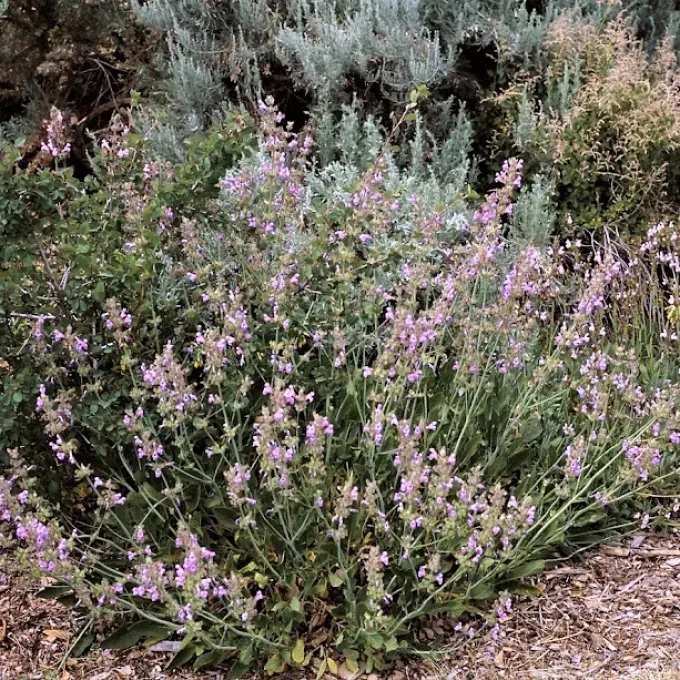
Description
Sowing dates
Sowing lavender-leaved sage is best performed in early spring when soil temperatures reach stable levels. Direct seeding into the field requires a well-prepared, fine-textured seedbed to ensure proper contact with the soil.
For greenhouse-raised seedlings, seeds are sown in trays 6–8 weeks before the last frost. This method allows for stronger root development and higher survival rates when transplanting to the field.
Spacing is crucial for optimal development. A planting pattern of 60–70 cm between rows and 25–30 cm between plants allows for effective air circulation and mechanical maintenance between the rows.
Maintaining consistent soil moisture during the germination phase is vital. As the seeds are very small, they should be covered with only a thin layer of soil to ensure they have enough energy to emerge.
Transplanting is best done on overcast days or in the late afternoon to reduce transplant shock and promote faster establishment in the new environment.
Growing requirements
Lavender-leaved sage (Salvia lavandulifolia) is a perennial member of the Lamiaceae family, originating from the arid regions of the Mediterranean. It is a highly drought-tolerant shrub.
The plant thrives in well-drained, sandy, or stony soils with a neutral to slightly alkaline pH. It cannot tolerate waterlogged conditions, which lead to root rot and premature plant death.
Full sunlight is a fundamental requirement for this species. Exposure to high levels of solar radiation stimulates the production of essential oils, which are concentrated in the leaves and flowering spikes.
Lavender-leaved sage is hardy, but in regions with harsh winters, young plants may benefit from protection to prevent frost damage to the woody stems.
This species is well-adapted to low-nutrient soils, meaning excessive fertilization is usually unnecessary and may even reduce the quality and aromatic intensity of the essential oils.
Yield
The productivity of a lavender-leaved sage plantation peaks between the third and fourth years. With proper management, the crop can provide stable harvests for up to seven years.
Yield is measured both in terms of total dry biomass and the quality of essential oils extracted from the plant. Harvesting at the precise moment of peak bloom is essential for profit.
The use of drip irrigation in arid zones can significantly boost biomass yields by maintaining stable moisture levels without causing the waterlogging that harms the root system.
Regular pruning after the harvest promotes thicker growth and a more favorable structure for the next season's regrowth, directly impacting future yields.
Economic viability is enhanced by high demand for the plant's essential oils in the pharmaceutical and cosmetic industries, provided the harvest is processed correctly and efficiently.
Main diseases and pests
Root rot is the primary threat to Salvia lavandulifolia, typically caused by excessive irrigation or poorly drained soils. Fungal diseases often thrive in stagnant, humid environments.
Pests such as aphids and spider mites can infest the foliage, particularly during dry spells. These pests weaken the plant and can significantly degrade the quality of the raw material.
Powdery mildew can be a persistent problem if planting density is too high, leading to insufficient airflow. Monitoring for early signs of infection is a standard practice in commercial fields.
Integrated pest management, including the use of beneficial insects and resistant cultivars, is highly recommended to maintain healthy plantations without relying on heavy chemical use.
- Maintain proper spacing to ensure adequate air circulation.
- Regularly remove weeds that harbor pest populations.
- Implement drainage improvements in low-lying areas of the field.
- Perform field inspections to detect early signs of fungal growth.
Harvesting
The harvest period is limited to the full flowering stage, which is when the concentration of essential oils within the plant's glandular hairs reaches its maximum potential.
Mechanical harvesting involves cutting the stalks 10–15 cm above the ground. This preserves the woody base of the shrub and ensures rapid recovery for subsequent seasonal growth.
Immediate transport of harvested material to the drying facility is essential to prevent the loss of volatile aromatic compounds due to evaporation or fermentation.
Drying must take place in an area with active ventilation and controlled temperatures (not exceeding 35–40 degrees Celsius) to maintain the chemical integrity of the oils.
Once dried, the plant material should be carefully stored in breathable containers to preserve its color and potency before final processing or shipping to market.