
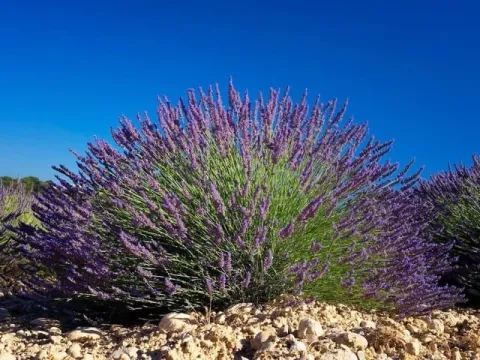
Lavandin
Lavandula hybrids
Lavandula × intermedia, widely known as lavandin, is a sterile hybrid derived from English lavender and spike lavender. Because it is a hybrid, it cannot be propagated by seeds, maintaining its specific characteristics only through cloning.
What the section contains
Lavandin
The primary method of propagation is vegetative cuttings. Growers typically take semi-hardwood cuttings in the spring or late summer, ensuring they are free from pests and diseases to promote successful root development.
Cuttings are placed in a well-draining rooting medium, such as a mix of perlite and peat, under controlled greenhouse conditions to maintain humidity and moderate temperatures.
Once established, the seedlings are transplanted into the open field after the danger of frost has passed, usually ensuring the root ball is firmly set in the soil.
Proper spacing is crucial for lavandin cultivation, allowing for adequate air circulation between rows, which helps reduce the incidence of fungal pathogens and simplifies mechanical maintenance.
Lavandin is a heliophilic plant, requiring full sun exposure to thrive and maximize the synthesis of essential oils in its inflorescences. Shaded areas will lead to poor growth and reduced oil yields.
The crop prefers well-drained, sandy-loam soils with a neutral or slightly alkaline pH. It is highly intolerant of waterlogged soil, which causes rapid root rot and plant mortality.
While drought-tolerant once established, young plants need consistent moisture to develop a strong root system during their first year of growth in the field.
In regions with harsh winters, selecting a site with good air drainage is vital to prevent frost pockets, although lavandin is generally hardier than its parent species.
Regular cultivation of the soil between rows is necessary to break up crusting and improve soil aeration, which promotes healthier growth and better nutrient uptake.
Lavandin is commercially preferred over other lavender species due to its higher biomass production and significantly larger yield of essential oil per hectare.
Under optimal conditions, growers can harvest between 6 and 10 tonnes of fresh flowers per hectare. The exact yield varies depending on the age of the plantation and the local climate.
The essential oil content in dried lavandin ranges from 2 to 4 percent. The oil is characterized by a higher camphor content compared to true lavender, making it distinct for industrial use.
The plantation reaches peak production between the fourth and eighth year of its life. A well-managed field can remain economically productive for up to 12 years before replanting is necessary.
Efficient harvesting and rapid distillation are the keys to maintaining the high quality of the oil, as prolonged exposure to heat and sunlight before processing degrades the product.
The most common threats to lavandin are fungal infections, particularly those caused by Phytophthora or Septoria, which thrive in humid and poorly ventilated environments.
Pests such as spittlebugs and various leaf-feeding insects can cause significant damage to the plant, weakening its immune system and reducing the overall harvest quality.
Good agricultural practices, such as choosing disease-free planting material and ensuring proper spacing, are the first lines of defense against most pathogens.
If outbreaks occur, integrated pest management strategies are applied, balancing the use of biological controls with targeted chemical interventions to protect the crop.
Regular monitoring of the field is essential to detect early signs of stress or infestation, allowing for quick action to mitigate potential losses during the growing season.
Harvesting usually occurs during the peak flowering stage when approximately 50 percent of the blooms are open. This timing ensures the highest concentration and quality of volatile oils.
Mechanical harvesting is standard practice in industrial lavender farming. Specialized machinery cuts the flower spikes at a precise height to ensure regrowth the following season.
Once harvested, the material must be moved immediately to a processing facility. If distillation is not possible, the flowers must be dried in a cool, shaded, and well-ventilated area.
Proper drying prevents the fermentation of the plant material, which would otherwise ruin the delicate scent profile and chemistry of the extracted essential oil.
Post-harvest care involves light pruning to tidy the bushes, which helps the plants recover and prepares them for the upcoming winter dormancy and subsequent spring growth.