
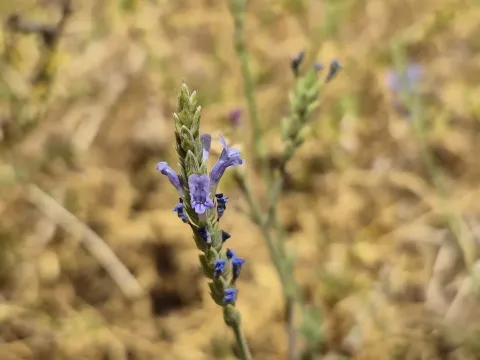
Lavandula pubescens
Lavandula pubescens
Planting Lavandula pubescens typically starts with seeds that require a cold stratification process lasting several weeks to break dormancy. This is essential for achieving a high and uniform germination rate in nursery trays.
What the section contains
Lavandula pubescens
For commercial production, a nursery-grown seedling approach is preferred over direct seeding. This ensures that young plants develop a robust root system before being transplanted into the open field during the stable growing season.
When preparing the soil for sowing, a fine tilth is necessary. Seeds should be buried shallowly, no more than half a centimeter deep, as they require specific light conditions and moisture levels to initiate growth successfully.
Timing the transplant is crucial; it should coincide with the period when all risk of frost has passed. Planting too early into cold soil can result in stunted growth and increased susceptibility to various seedling diseases.
Proper spacing is a vital agricultural practice. Rows should be spaced adequately to facilitate airflow and machine access, typically allowing 40 to 60 centimeters between plants to prevent competition for nutrients and light.
As a member of the Lamiaceae family, Lavandula pubescens is highly demanding of full sun exposure. It thrives in locations that receive intense sunlight for most of the day, which is necessary for essential oil synthesis.
The crop requires well-drained soil, ideally sandy or loamy with a neutral to alkaline pH. Poorly drained soil or high water tables are detrimental, often leading to rapid root decay and plant mortality.
This species is well-adapted to Mediterranean-type climates, exhibiting significant drought tolerance once established. However, during the early growth stages, consistent but moderate watering is necessary for healthy development.
Annual pruning is a core management practice. This encourages a compact, bushy habit and prevents the woody stems from becoming too long or brittle, which significantly extends the productive lifespan of the shrub.
Adequate ventilation is critical for this species. Dense planting or regions with consistently high humidity can lead to fungal issues, thus site selection should favor elevated, airy fields with good natural drainage.
Production levels for Lavandula pubescens gradually increase over the first few years, with commercial maturity typically reached by the third or fourth year. Initial years are focused on biomass and root establishment.
Expected yields for floral harvest range between 3 to 6 tons per hectare depending on site fertility and environmental stressors. The oil content per ton of fresh material is the primary economic indicator for farmers.
Balanced fertilization, particularly the application of potassium and phosphorus, supports blooming intensity and cold hardiness. Over-fertilization with nitrogen must be avoided, as it encourages leaf growth at the expense of floral essential oils.
The lifespan of a profitable plantation is generally between 8 to 12 years. Beyond this age, bushes lose vigor, and the essential oil quality and quantity tend to decline, indicating the need for plantation renewal.
Effective weed management during the growing season is a direct factor in yield optimization. Competition from weeds in the early spring can severely retard the floral production of the lavender plants.
Fungal infections, such as gray mold (Botrytis), are significant risks during periods of prolonged rainfall or high humidity. Preventive fungicides and proper row spacing are the primary defenses against such outbreaks.
Pests like spittlebugs and various beetles can damage foliage and floral buds. Integrated pest management, focusing on early detection and targeted treatments, is essential to minimize crop damage throughout the season.
Root rot remains a frequent threat if drainage systems fail. This condition is often exacerbated by over-irrigation or soil compaction, highlighting the need for maintaining optimal soil structure at all times.
Preventative measures involve maintaining a clean field environment, as various weeds can act as secondary hosts for pests that target Lamiaceae species, facilitating the spread of infestations.
During winter months, care must be taken to ensure that snow cover or melting ice does not lead to standing water around the crown of the plant, which could cause winterkill or crown rot.
Harvesting is performed when the flowers are approximately 50 percent open. This stage represents the biological peak for essential oil concentration, ensuring high-quality output for industrial extraction.
Modern harvesting is largely mechanized using specialized equipment that cuts the flower stalks at a uniform height. The goal is to collect as much floral material as possible while minimizing woody stem inclusion.
Transporting fresh material to the processing facility must be done immediately. Any delay can cause heating and fermentation within the harvested mass, which significantly degrades the final essential oil quality.
For dried flower production, stalks are bundled and hung in a shaded, well-ventilated area. Rapid air circulation without direct sunlight exposure helps maintain the vibrant color and aromatic profile of the dried product.
The final post-harvest stage involves cleaning and inspecting the floral material to remove debris, leaves, and soil particles, ensuring the product meets commercial standards for aromatic and cosmetic use.