
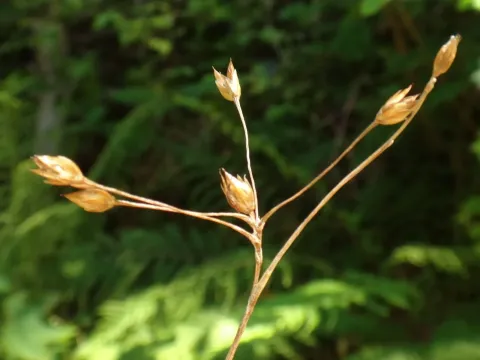
Luzula luzulina
Luzula luzulina
Luzula luzulina is a perennial herbaceous plant belonging to the Juncaceae family. While it bears a superficial resemblance to true grasses, it is botanically distinct, specifically in its floral structures and leaf characteristics.
What the section contains
Luzula luzulina
Its natural habitat includes mountain regions and forest ecosystems, where it thrives in shaded or semi-shaded environments. This specific ecological niche must be replicated when incorporating the plant into agricultural or horticultural settings.
The plant requires soils that are consistently moist yet well-drained. It favors a nutrient-rich organic base with a slightly acidic to neutral pH level to ensure optimal foliage development throughout the growing season.
Luzula luzulina is highly resilient to cold temperatures and is considered frost-hardy. It does not tolerate extreme heat or prolonged direct sun exposure, which can cause significant damage to the leaf tissue and lead to rapid dehydration.
Economically and horticulturally, this plant is used primarily for ornamental purposes. It is an excellent choice for ground cover in shaded areas, rock gardens, and woodland-style landscapes where its texture provides aesthetic interest.
Luzula luzulina is generally robust, showing a high level of resistance to common plant pathogens and insect infestations when grown under suitable conditions.
The most common issue encountered by growers is root rot, which typically occurs due to poor soil drainage or waterlogged conditions in the root zone.
Fungal leaf spots can develop in environments with high humidity and poor ventilation. Maintaining adequate space between plants is crucial to allow for sufficient air circulation.
Sanitation practices, such as removing dead foliage at the end of the season, significantly reduce the likelihood of overwintering pathogens that could harm the plant in the spring.
There are no major insect pests that pose an economic threat to this species, making it a low-maintenance plant that rarely requires the application of chemical control agents.