
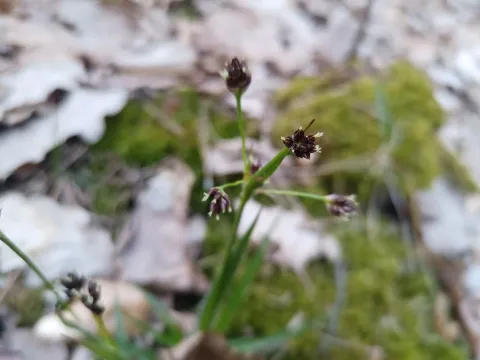
Luzula divulgata
Luzula divulgata
Luzula divulgata, known as a type of woodrush, belongs to the Juncaceae family and is recognized as a hardy perennial. It is typically propagated by seed germination or division of established clumps, which is the most reliable method for home gardeners.
What the section contains
Luzula divulgata
Seeds require a period of cold stratification to break dormancy. Sowing can be performed in late autumn for natural outdoor stratification or in late winter under controlled greenhouse conditions to ensure a steady germination rate.
When starting seeds in containers, a light, well-draining soil mix is essential. The seeds should be pressed into the surface rather than buried deep, as they require sufficient light exposure to sprout correctly within two to four weeks.
Once seedlings have developed at least two true leaves, they are ready for transplanting. Careful handling of the delicate root system is necessary to prevent transplant shock, which can delay growth by several weeks.
When planting outdoors, ensuring proper spacing of at least 30 centimeters between specimens allows the plant to form its signature dense, tufted habit over several growing seasons.
Luzula divulgata thrives in partial to full shade, making it a perfect groundcover for woodland areas or the shaded sides of garden architecture. Direct afternoon sun should be avoided to prevent leaf scorch and dehydration.
The ideal soil is rich in organic matter, slightly acidic, and capable of maintaining consistent moisture levels. While the plant can tolerate various soil types, poor, sandy soils require amendments like compost or peat to support robust development.
Watering is crucial, especially during the plant's active growing phase in spring and summer. Although the plant is somewhat tolerant of dry spells once established, it prefers soil that never dries out completely.
In terms of temperature, this species is exceptionally resilient and hardy, capable of surviving harsh winters without requiring extra protection. It performs well in temperate climates, retaining its shape throughout most of the year.
Fertilization should be kept to a minimum to maintain the natural growth rate. A light application of balanced, slow-release fertilizer in early spring is usually sufficient to support the emergence of new, healthy foliage.
Luzula divulgata is generally resistant to major agricultural diseases. However, in poorly drained or overly humid environments, plants may become susceptible to crown rot, a fungal issue that can lead to rapid plant decline.
Maintaining air circulation is a key preventative measure against powdery mildew or other surface fungi. Avoiding overhead irrigation and keeping the center of the plant free of debris helps significantly in reducing disease risks.
Common pests like slugs and snails are the primary concern in damp, shaded environments, as they tend to feed on the tender young leaves. Biological control methods or protective barriers are recommended to manage these populations.
Spider mites may appear during periods of extreme heat and low humidity. Monitoring the underside of the leaves regularly and increasing ambient humidity through gentle misting or watering can help deter these insects.
Good horticultural hygiene is essential; removing dead or diseased foliage every spring is a fundamental step. This simple practice ensures the vitality of the plant and prevents the buildup of pathogens within the leaf litter.