
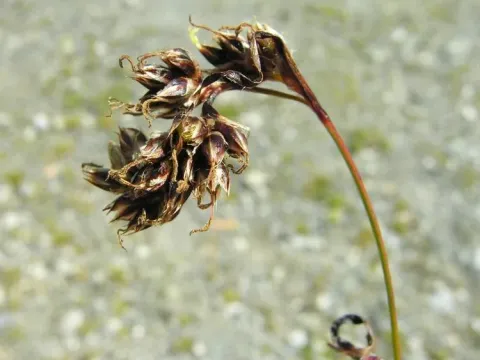
Luzula pediformis
Luzula pediformis
Luzula pediformis, commonly known as a type of woodrush, is a perennial herbaceous plant belonging to the Juncaceae family. It is characterized by its tufted growth habit and slender, evergreen-like foliage, forming dense mounds that provide year-round interest in garden settings.
What the section contains
Luzula pediformis
The plant originates from East Asia, encompassing regions such as Japan and the Far Eastern territories. It naturally inhabits woodland margins, slopes, and rocky terrain, showing an impressive ability to thrive in diverse microclimates while maintaining its compact structure.
Agricultural requirements include well-drained, nutrient-rich soil with a slightly acidic to neutral pH. While it is adaptable to various light conditions, including full shade and partial sun, it performs best in moisture-retentive soils that do not become waterlogged.
Cultural practices are relatively straightforward, focusing on spring maintenance to remove dead foliage. Proper spacing during initial planting is essential for healthy air circulation, preventing the center of the clumps from becoming prone to decay during damp winters.
Luzula pediformis is primarily valued in landscaping and horticulture for its utility as a groundcover. It is exceptionally well-suited for erosion control on slopes, border edging, and planting under tree canopies where other plants might struggle with low light levels.
Luzula pediformis is naturally resistant to most common garden diseases. The primary concern is root rot, which typically occurs in soils with poor drainage. Ensuring the substrate remains porous is the best preventative strategy for maintaining long-term vitality.
Pest pressure is minimal, though snails and slugs can occasionally damage young shoots in cool, damp spring weather. Implementing physical barriers or organic pest control methods can mitigate this risk without harming the plant's delicate aesthetic.
Fungal issues, such as leaf spot, may arise if plants are crowded too closely together. Proper spacing is crucial to ensure that moisture evaporates quickly from the foliage, reducing the conditions that favor fungal pathogen growth and propagation.
Winter desiccation is a potential threat if the plant is exposed to drying winds while the ground is frozen. Providing a light mulch around the base of the clumps can help maintain soil moisture stability and protect the root system from freezing and thawing.
Regular monitoring during the growing season allows for early detection of any physiological stress. By maintaining proper nutrient levels and avoiding excessive fertilization, gardeners can ensure that the plant remains vigorous and naturally resistant to environmental threats.