
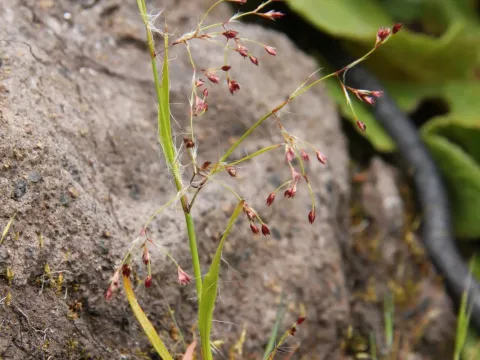
Luzula elegans
Luzula elegans
Luzula elegans is a perennial plant belonging to the Juncaceae family. It is valued for its elegant foliage and ability to thrive in low-light environments.
What the section contains
Luzula elegans
Propagation is typically done by seeds sown in early spring or by dividing established clumps. Division is best performed in late summer to ensure successful establishment.
When sowing seeds, it is important to provide a moist, well-draining potting mix. Seeds generally require cold stratification to break dormancy and trigger germination.
The spacing between plants should be approximately 30 centimeters to allow for optimal clump expansion and air circulation around the crown of the plant.
Maintaining high humidity during the early stages of growth is crucial for young seedlings, ensuring they do not dry out before developing a robust root system.
Originating from mountain regions of East Asia, Luzula elegans prefers cool, temperate climates with consistent soil moisture levels throughout the growing season.
The plant thrives in rich, humus-based soils with a slightly acidic to neutral pH. Proper soil preparation significantly improves the plant's overall vigor.
This species is well-known for its shade tolerance, making it an excellent choice for ground cover in woodland gardens or underneath tree canopies.
Regular irrigation is necessary, especially during peak summer temperatures. The soil should be kept consistently moist but never waterlogged to avoid root issues.
Using organic mulch around the base of the plant helps retain moisture, suppresses weed growth, and provides the roots with a stable temperature environment.
Luzula elegans is generally a robust plant with few serious issues. However, poor drainage can lead to root rot if the soil remains constantly soggy.
Slugs and snails can occasionally cause damage to the foliage, particularly during wet and humid weather conditions common in the spring and early summer.
Preventive measures include keeping the area around the plants free of debris and ensuring there is enough spacing for good air movement between the foliage.
If infestations occur, integrated pest management practices such as using traps or biological deterrents are recommended to minimize the impact on the plants.
Maintaining plant health through proper soil and water management remains the most effective way to avoid potential threats and ensure long-term success.