
Pale rush
Juncus pallidus
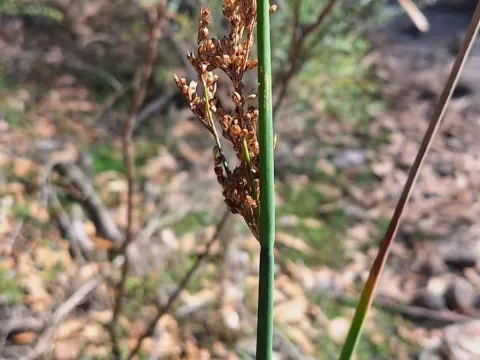
Pale rush (Juncus pallidus) is a robust perennial grass-like plant belonging to the Juncaceae family. It is characterized by stiff, upright, pale-green to straw-colored stems that grow in dense clumps, often reaching a height of over one meter in favorable conditions.
What the section contains
Pale rush
The species is native to Australia and New Zealand, where it naturally inhabits wetlands, swampy depressions, and riparian zones. Its distribution is closely linked to water availability, as the plant thrives in areas where soil moisture remains constant throughout the year.
Regarding climatic requirements, Juncus pallidus is well-adapted to temperate and Mediterranean climates. It shows significant resilience to cold winters and can survive in areas that experience seasonal fluctuations in water levels, making it a reliable species for wetland restoration.
Soil preferences lean towards acidic, nutrient-poor, or moist soils. It is particularly effective on heavy clay soils where its roots help in aeration and structural improvement. The plant is highly tolerant of low-fertility sites, which are often unsuitable for conventional crops.
The main agricultural use for Pale rush is environmental engineering. It serves as a superior choice for preventing bank erosion and stabilizing riparian buffers. Furthermore, it acts as a natural filter, stripping excess nutrients from agricultural runoff before they enter aquatic systems.
The primary disease concerns include various fungal infections of the root and crown area, particularly in stagnant water environments. Poor air circulation between dense clumps can exacerbate the development of mildew or rot-causing pathogens that weaken the plant structure.
Insect pests include stem-boring larvae that target the pithy interior of the rush stems. While the plant's rigid texture provides some natural resistance to herbivores, significant infestations of boring insects can lead to stem collapse and reduced vigor across the site.
Competition from invasive plant species is a major threat during the establishment phase. Because Juncus pallidus grows slowly from seed, weeds can quickly overtake a new planting area if not suppressed by mulching or careful herbicide application during the first growing season.
Excessive livestock grazing can be detrimental to established stands. While the plant is typically not the preferred choice for fodder due to its high fiber content and low palatability, trampling by large animals can cause soil compaction and physical destruction of the rhizome system.
Management of these threats involves monitoring the health of the clump centers and ensuring that water flow is not completely blocked by debris. Integrated pest management strategies are generally unnecessary unless the rush is being grown for ornamental or specialized fiber purposes.