
Rechinger's rush
Juncus rechingeri
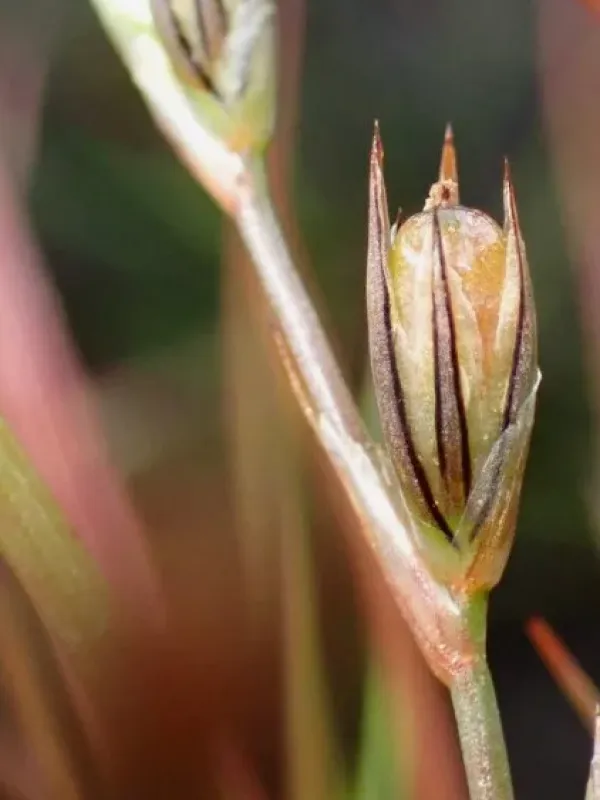
Description
Growing requirements
Rechinger's rush (Juncus rechingeri) is a perennial herbaceous plant belonging to the Juncaceae family. It is recognized primarily for its adaptation to wetland habitats and its biological role as a structural component of marshy ecosystems.
The plant originates from damp regions and is native to specific habitats characterized by high soil moisture levels. Its botanical features include a sturdy, creeping rhizome and vertical, wire-like stems that are highly efficient at nutrient absorption from aquatic environments.
Climate requirements for this species are centered on stable moisture availability. It thrives in temperate regions where rainfall is consistent and water tables remain high, avoiding any drought-prone conditions that could lead to rapid dehydration of its sensitive root system.
Soil preferences involve organic-rich, damp substrates that allow for continuous root respiration despite high water levels. It generally performs best in acidic or slightly acidic soils common to floodplains and natural wetland areas.
Economic and utility applications are currently focused on ecological engineering, including the use of the plant in phytoremediation projects and as a tool for soil erosion control in sensitive riparian areas.
Main diseases and pests
The primary threats to the stability and productivity of these plants are large-scale land drainage projects and human interference with water management systems, which directly destroy the plant's natural habitat.
Disease outbreaks, specifically fungal infections linked to stagnant water and poor water quality, remain the most common health issue for these plants in controlled environments, necessitating careful monitoring of water flow.
Pest activity is generally low due to the plant's tough, fibrous tissue structure. However, certain local herbivore species or invasive insects may occasionally pose a threat if the ecosystem balance is severely compromised.
The competitive pressure from faster-growing invasive weeds in disturbed soil poses a significant risk to young stands of Rechinger's rush, often requiring manual maintenance during the initial growth phases.
Effective management requires preserving the native hydrological regime and ensuring that chemical pollutants do not enter the water system, as the plant is sensitive to changes in water chemistry.