
Mexican rush
Juncus mexicanus
The Mexican rush (Juncus mexicanus) is a perennial herbaceous plant belonging to the Juncaceae family. Originally native to the Americas, this species thrives in moisture-rich environments such as pond edges, marshes, and damp meadows.
What the section contains
Mexican rush
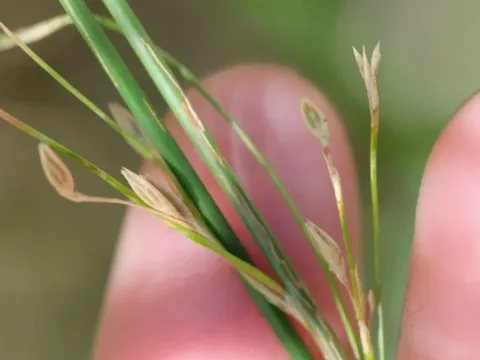
Botanically, it forms dense tufts of stiff, cylindrical, dark green stems. These stems usually grow between 30 to 80 centimeters in height. The true leaves of the plant are highly reduced and appear as sheath-like structures at the base of the shoots.
The cultural requirements for Juncus mexicanus focus on high moisture levels and adequate sunlight. It exhibits significant tolerance to waterlogged conditions, making it an excellent candidate for stabilizing soil around artificial ponds or streams.
In terms of soil preferences, the plant favors fertile, loamy, or sandy substrates with acidic to neutral pH levels. Ensuring consistent soil moisture is crucial, especially during the peak growing season when the plant requires significant hydration.
Propagation is primarily achieved through division of the rhizomes in spring or early autumn. While it is quite adaptable to various climatic zones, providing some mulch cover can protect the roots from extreme cold in harsher climates.
The primary use of the Mexican rush is in landscape architecture and environmental engineering. Its robust root system is highly effective at preventing soil erosion along embankments, making it a functional choice for shoreline protection.
From an aesthetic perspective, the plant is valued for its clean, vertical lines, which provide architectural interest to garden designs. It performs well when grouped with other semi-aquatic species, creating a balanced and naturalistic look.
Maintenance usually involves pruning the old, dried stems at the end of the season or in early spring. This practice clears the way for new, fresh green growth, ensuring the plant remains healthy and visually appealing throughout the year.
The plant is remarkably resistant to typical agricultural pests, which is a major advantage for its use in low-maintenance landscapes. Insects rarely feed on the tough, fibrous stems, keeping the plant largely intact without the need for chemicals.
Disease issues in Juncus mexicanus are rare and almost exclusively linked to poor drainage or extreme stagnant water conditions that lead to base rot. With proper water management, this plant remains a long-lasting asset to any wetland garden.