
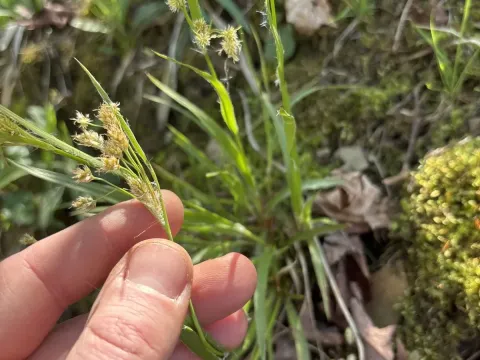
Many-flowered wood-rush
Luzula multiflora
Many-flowered wood-rush (Luzula multiflora) is a perennial herbaceous plant belonging to the Juncaceae family. It is recognized for its dense, tufted growth habit and slender leaves that are typically fringed with long, white, silky hairs along the margins.
What the section contains
Many-flowered wood-rush
This species is native to temperate regions across the Northern Hemisphere, often found in woodland openings, meadows, and heaths. It is highly adaptable to various soil types, particularly acidic and nutrient-poor soils where competitive pressure is lower than in fertile meadows.
Climate requirements for this plant focus on moisture availability and protection from excessive heat. It is a highly frost-hardy species, capable of surviving harsh winter temperatures, which makes it a preferred choice for northern landscaping and ecological restoration projects.
Cultivation practices require ensuring the plant is situated in partially shaded environments. Soils should be rich in organic matter, such as peat or leaf mold, to mimic its natural forest habitat. Maintaining consistent soil moisture is essential for optimal growth throughout the growing season.
Economically, the plant is primarily utilized in ornamental horticulture and as an understory filler in woodland gardens. Its ability to thrive in poor soils and provide reliable green cover makes it an excellent candidate for low-maintenance landscaping and erosion control.
The many-flowered wood-rush is notably resistant to most common plant diseases. The primary concern in an agricultural or garden setting is the development of root decay, which typically occurs if the soil drainage is inadequate and water remains stagnant around the crown.
There are no significant pests known to impact the viability of this crop. Occasional herbivory may be observed from native insects, but it rarely exceeds levels that would require chemical intervention or lead to the loss of individual plant specimens in a landscape setting.