
Piedmont woodrush
Luzula pedemontana
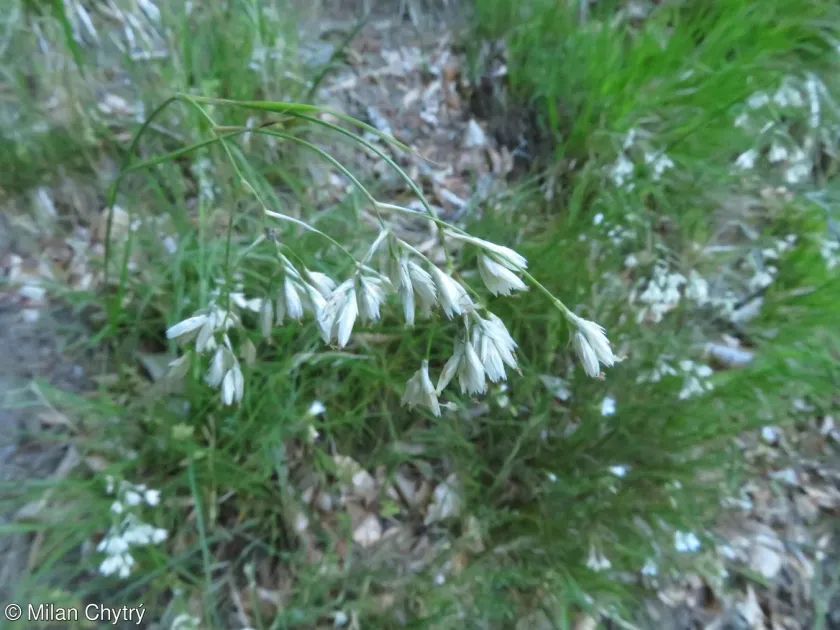
Description
Growing requirements
Piedmont woodrush is a perennial herbaceous plant belonging to the Juncaceae family. Often confused with true grasses, this species is well-regarded for its adaptability to shaded environments where light levels are insufficient for other crops.
The species originates from the mountainous regions of Southern Europe, specifically Piedmont, which defines its preference for cool and stable climatic conditions. It is successfully grown in regions with moderate temperatures, avoiding extreme heat and dry spells.
To ensure optimal development, the crop requires soils that are slightly acidic to neutral, possessing high moisture-retention capacity without becoming waterlogged. The presence of organic matter in the substrate significantly boosts the vigor of the plant.
The agronomic management of this species is relatively straightforward, focusing on selecting a site with partial or full shade. Unlike many field crops, it does not require significant fertilization, though a light annual application of compost is beneficial.
In terms of economic and practical use, Piedmont woodrush is a staple in landscape design. It is used as an ornamental groundcover, forming dense clusters that effectively suppress weeds and add structural diversity to garden beds.
Main diseases and pests
Piedmont woodrush is naturally robust and faces very few agricultural threats compared to many other perennial plants. Its hard-textured leaves and specific chemical composition act as natural deterrents against most common garden pests.
The primary concern for growers is the potential for root rot, which typically occurs when the soil lacks proper drainage. Excess moisture during the winter dormancy period is the most significant environmental threat to the plant's survival.
Insects such as aphids or spider mites rarely cause economic damage to this species. Monitoring is primarily needed only during periods of extreme environmental stress, which could compromise the plant's natural resistance mechanisms.
Cultural control methods, such as thinning out over-dense clumps and ensuring adequate spacing, are the best defense against fungal outbreaks. Promoting airflow is essential for keeping the foliage healthy throughout the humid summer months.
Maintaining the health of the plants is achieved through proactive site selection and avoiding heavy watering. By prioritizing well-drained locations, growers can effectively eliminate the majority of risks associated with fungal infections.