
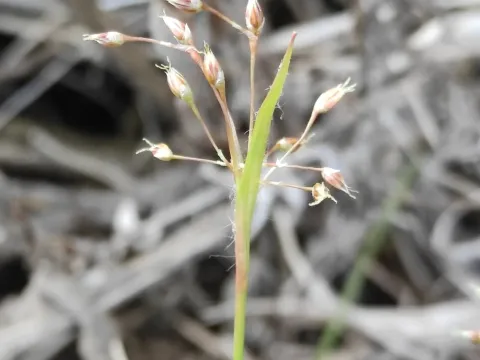
Luzula rufescens
Luzula rufescens
Luzula rufescens is a perennial herb belonging to the Juncaceae family. In agricultural practices, propagation is primarily achieved through seeds, which benefit from a cold stratification period to break dormancy and ensure uniform germination.
What the section contains
Luzula rufescens
The optimal sowing time is early spring or late autumn. Seeds should be sown on the surface of the prepared substrate, as they require light to germinate effectively. Covering them with a thin layer of sand or vermiculite can help maintain humidity.
Vegetative propagation via division of mature clumps is highly effective for establishing uniform stands. This process is best performed in early spring, allowing the plants to establish their root systems before the onset of high summer temperatures.
Planting density should be adjusted based on the intended use, typically ranging from 9 to 12 plants per square meter for ground cover applications. This spacing allows for adequate airflow while preventing excessive weed encroachment.
Care must be taken to ensure the substrate remains consistently moist during the germination period. Dry conditions at the seedling stage can lead to high mortality rates and uneven stand development.
This crop thrives in cool, moist, and well-drained soils with a slightly acidic pH. It is sensitive to waterlogging, necessitating the installation of proper drainage systems in heavy soil environments.
As a shade-tolerant species, Luzula rufescens performs best in semi-shaded areas or woodland margins. Prolonged exposure to direct, harsh sunlight can cause leaf scorching and reduce the overall vigor of the plants.
The plant demonstrates remarkable cold hardiness, making it suitable for temperate regions. It can withstand significant temperature drops without needing winter protection, provided it is established in the ground.
Nutrient requirements are relatively low compared to intensive cereal crops. A balanced application of organic compost in early spring is usually sufficient to support healthy vegetative growth throughout the season.
Soil structure should be friable and rich in organic matter. Mulching with natural materials can help mimic the plant's native forest floor habitat, retaining moisture and suppressing competitive weeds.
Fungal diseases, particularly leaf spot and root rot, are the primary risks associated with high humidity and stagnant air. Proper spacing is essential to reduce the moisture levels within the foliage canopy.
Slugs and snails can cause significant damage to young, succulent leaves, especially during rainy seasons. Implementing integrated pest management strategies, such as physical barriers, is recommended to protect the crop.
While generally pest-resistant, aphids may occasionally colonize the plants during dry spells. Monitoring for early signs of infestation allows for the timely application of organic insecticidal soaps.
Weed competition poses a severe threat during the establishment phase. Consistent maintenance and mechanical weed control are necessary until the plants have formed a dense canopy that can suppress invasive species.
Cleaning up debris and dead foliage in the spring helps mitigate the risk of disease carry-over. Removing such organic matter improves air circulation and lowers the prevalence of pathogens in the planting area.