
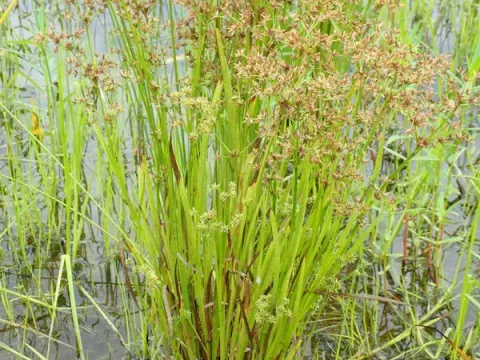
Juncus diastrophanthus
Juncus diastrophanthus
Juncus diastrophanthus belongs to the Juncaceae family and is a perennial herbaceous plant adapted to specific wetland environments. It is characterized by its rhizomatous structure and ability to thrive in waterlogged conditions.
What the section contains
Juncus diastrophanthus
The origin and natural distribution of this species are tied to high-moisture ecosystems. It is primarily found in areas with poor, acidic soils where competition from standard crop varieties is naturally inhibited by extreme wetness.
Climatic requirements involve stable temperatures and high air humidity. The plant shows significant sensitivity to desiccation, necessitating a consistent hydrological regime for successful growth in agricultural settings.
Soil requirements focus on high water retention capacity. Peaty or gley soils are ideal, providing the necessary aeration and mineral balance required by the plant's unique biological physiology.
Cultivation practices must prioritize water management. The plant does not require high levels of chemical fertilization due to its adaptation to nutrient-poor environments, but irrigation management is non-negotiable for productivity.
Typical threats include fungal pathogens such as rust and various foliar spots that flourish in the microclimate created by dense stands of Juncus plants in stagnant water conditions.
Insect pests include stem borers and larvae that feed on the reproductive parts of the plant. These pests can cause significant damage if the crop is being cultivated for seed production purposes.
Competition from aggressive aquatic weeds poses a major threat during the establishment phase. Early-stage weeding is essential to allow the crop to develop a robust root system and establish dominance.
Root system health can be compromised by excessive sedimentation or lack of water flow. Maintaining a healthy water circulation helps in mitigating the risks of root decay and anaerobic soil conditions.
Strategic management of crop density is the primary method for disease prevention. Ensuring adequate airflow between individual plants helps reduce the incidence of moisture-related infections throughout the growing season.