
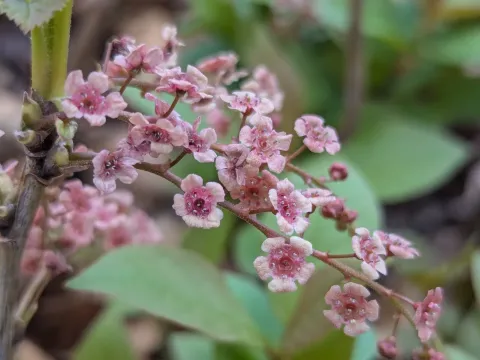
Swamp red currant
Ribes triste
The swamp red currant (Ribes triste) is a perennial deciduous shrub belonging to the Grossulariaceae family. It is naturally distributed across the cold, temperate regions of the Northern Hemisphere, including vast territories in North America and Eurasia.
What the section contains
Swamp red currant
This species thrives in moist environments, such as forest swamps, edges of streams, and damp coniferous woodlands. It is exceptionally well-adapted to harsh winters and exhibits a high tolerance for freezing temperatures throughout its dormant period.
Botanically, the shrub is characterized by its trailing or ascending stems that rarely exceed 60 centimeters in height. The foliage is typically pubescent, particularly on the underside, which serves as a protective mechanism in its humid native habitats.
Successful growth requires acidic to slightly acidic, well-drained but constantly moist soil. The plant is sensitive to drought, and its survival in open landscapes depends on maintaining a consistent soil moisture level during the growing season.
Propagation occurs through seeds or vegetative growth. In nature, the stems often take root upon contact with moist forest soil, facilitating the colonization of surrounding areas through natural layering.
The economic use of the swamp red currant is primarily limited to wild harvesting by local communities within its native range. The small red berries, which grow in racemes, are highly valued for their tart flavor and suitability for jams and beverages.
Yield levels depend heavily on seasonal precipitation and temperature patterns. Favorable, moist years result in significantly higher berry production compared to dry seasons, which can inhibit fruit development and cluster size.
While not a major commercial agricultural crop, the species is highly regarded in horticultural research. Its genetic hardiness and resistance to extreme cold make it an important subject for breeding programs aimed at improving garden currants.
The fruit contains notable concentrations of ascorbic acid and organic acids, making it a nutritious addition to local diets. Due to the short stature of the plant, manual harvesting is the only viable method for collection.
In landscaping, this species serves as a groundcover in shaded, damp areas where other ornamental plants might struggle to survive, providing a lush, green, and functional ground layer.
In its native wild habitat, the swamp red currant faces minimal pest pressure. However, when introduced to garden settings, the plant may encounter typical currant diseases and pests, particularly in areas with poor ventilation.
Common fungal threats include leaf spot diseases such as anthracnose. These pathogens thrive in stagnant, humid air, making thinning of the shrub's canopy essential for maintaining plant health and vigor during the summer months.
Aphids and various mite species can pose threats to the tender new growth. Integrated pest management, focusing on early detection and biological control, is the most effective approach to preserving the health of these shrubs.
- Ensure proper site selection with good airflow to discourage the spread of fungal spores.
- Avoid overhead watering during periods of high humidity to reduce the risk of leaf diseases.
- Practice regular sanitation by removing fallen leaves and pruning dead wood to eliminate overwintering sites for pathogens.
The plant generally exhibits a high degree of resilience, and with proper management, it can be grown successfully with little to no chemical intervention, making it a good candidate for sustainable gardening.