
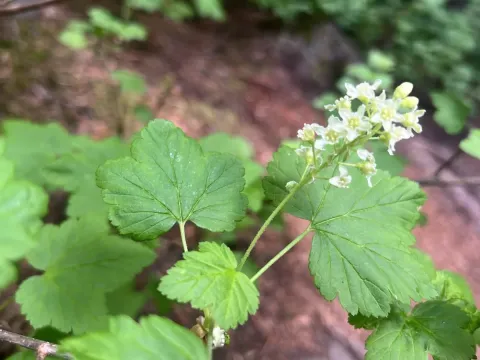
Wolf's currant
Ribes wolfii
Wolf's currant (Ribes wolfii) is a deciduous shrub belonging to the Grossulariaceae family. This species is native to the mountain regions of Western North America, where it thrives in cool, moist habitats typical of high-altitude forest ecosystems.
What the section contains
Wolf's currant
The culture prefers a cool, temperate climate and is highly adapted to environments with high atmospheric humidity. It performs best in regions where summer temperatures remain moderate, as intense heat can cause significant physiological stress to the plant.
Regarding soil requirements, Ribes wolfii favors well-drained, nutrient-rich loamy soils with a slightly acidic to neutral pH level. It does not tolerate waterlogged conditions, making site selection with adequate natural drainage essential for long-term health.
Partial shade is the ideal exposure for this shrub, as it naturally occurs under the canopy of trees or in forest clearings. Direct, intense sunlight can lead to leaf scorching, especially in regions with high solar radiation during the summer months.
Successful cultivation requires consistent mulching around the base to retain soil moisture and suppress weed competition. Using organic materials like leaf mold or wood chips helps mimic the forest floor conditions that the species naturally inhabits.
The yield of Wolf's currant in cultivated conditions is consistent but remains relatively modest compared to commercial hybrid varieties. The berries are small, dark-colored, and produced in clusters, characterized by a distinct, tart flavor profile.
The primary use of these berries includes fresh consumption or processing into jellies, jams, and preserves. Their rich phytochemical content, including various antioxidants and vitamins, makes them an excellent addition to a healthy diet.
Productivity is highly dependent on proper irrigation during the fruit-set period. Insufficient water supply during this phase can lead to premature fruit drop and smaller berry sizes, which negatively impacts the overall harvest quantity.
In a well-managed garden, these shrubs can remain productive for 10 to 15 years. Regular pruning, involving the removal of older, woody stems, is crucial to stimulate new vegetative growth and maintain the vigor of the plant over time.
For optimal yield performance, a balanced fertilization program focusing on organic compost or phosphorus-potassium fertilizers is recommended. This supports the plant's metabolic functions, improving both berry quality and overall winter resilience.
Wolf's currant is susceptible to common fungal pathogens, particularly anthracnose and powdery mildew, which thrive in humid and poorly ventilated conditions. Monitoring the plant for early signs of leaf spot or white coating is essential.
Pests such as currant aphids and spider mites can occasionally affect the foliage, causing curling or discolored leaves. Managing these populations through early detection and biological interventions is preferred to maintain the plant's health.
Pruning for airflow is the most effective preventative measure against fungal diseases. By thinning out dense branches, gardeners ensure that foliage dries quickly after rainfall, creating an unfavorable environment for fungal spores to germinate.
Biological controls, such as introducing beneficial insects like ladybugs, can effectively regulate aphid populations. Minimizing the use of broad-spectrum chemical pesticides helps preserve the natural balance and biodiversity within the garden environment.
Garden hygiene is vital; cleaning up fallen leaves and debris in the autumn significantly reduces the overwintering sites for both pests and disease spores. This practice remains a cornerstone of integrated pest management for small fruit crops.