
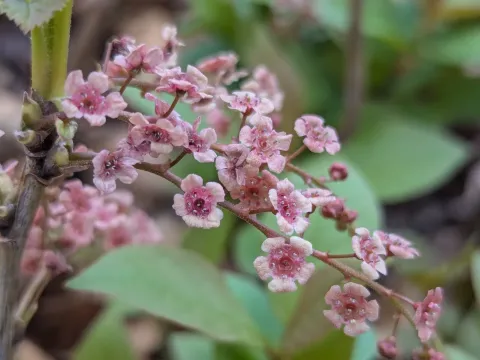
Warszewicz currant
Ribes warszewiczii
Warszewicz currant (Ribes warszewiczii) is a perennial shrub belonging to the Grossulariaceae family. This species originates from the mountainous regions of Central Asia, where it has evolved to survive in cool, temperate climates characterized by fluctuating moisture levels and varied terrain.
What the section contains
Warszewicz currant
Botanically, it presents a hardy growth habit with distinct foliage and berry characteristics. It requires well-drained, nutrient-rich soil to thrive. In a garden setting, it performs best when placed in locations that offer protection from intense, direct heat, mimicking its native habitat on shaded slopes.
Climate requirements emphasize its need for distinct seasonal changes, as the plant relies on winter dormancy to ensure healthy development in the spring. It is highly valued in breeding programs for its exceptional frost resistance, which can be transferred to commercial berry cultivars.
Agronomic management involves standard practices for Ribes species, including periodic pruning to maintain plant vigor and prevent overcrowding. Mulching is highly recommended to regulate soil temperature and moisture content, especially during the vegetative growth phase.
Economically, the species is primarily utilized for research and breeding purposes rather than mass commercial production. Its unique genetic traits offer significant potential for improving the stress tolerance of other currant varieties used in modern berry farming.
The main threats to the plant include fungal diseases such as anthracnose and leaf spot, which often occur if the shrub is planted in poorly ventilated areas. Maintaining proper spacing and keeping the foliage dry are essential preventive measures.
Pest management focuses on monitoring for aphids and spider mites, which can sap the vitality of the plant. Integrated pest management, combining physical barriers and biological controls, is the preferred approach for sustaining the health of these shrubs.