
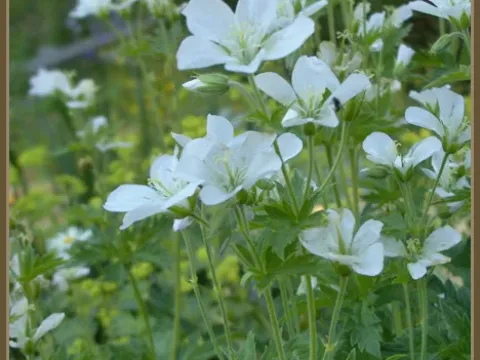
Geranium aristatum
Geranium aristatum
Geranium aristatum is a perennial herbaceous plant belonging to the Geraniaceae family. In agricultural and horticultural contexts, it is propagated either by seeds or through division of the root system.
What the section contains
Geranium aristatum
Seed sowing is typically performed in early spring after the risk of frost has passed. Seeds should be sown in well-prepared, loose soil at a depth of approximately 0.5 to 1 centimeter to ensure consistent emergence.
For better germination results, seeds may require a period of cold stratification. This process prepares the seeds for growth and increases the overall uniformity of the seedling stand.
Vegetative propagation via division is often preferred for maintaining specific plant traits. This operation is most successful when performed in late summer, allowing the plant to establish a strong root system before winter dormancy.
Spacing between plants should be maintained at about 30–40 centimeters. This density promotes healthy airflow and reduces the risk of fungal outbreaks within the crop canopy.
This species thrives in fertile, well-draining soils rich in organic matter. A slightly acidic to neutral soil pH is considered ideal for nutrient uptake and overall plant development.
Regarding light, Geranium aristatum prefers a location with partial shade or filtered sunlight. While it can tolerate more exposure, extreme heat may stress the foliage and shorten the blooming period.
Watering requirements are moderate; however, the soil should remain consistently moist during the active growing season. Adequate drainage is crucial to prevent root rot in heavier soil types.
The plant is generally winter-hardy. During the growing season, temperatures between 15°C and 22°C support optimal growth and the development of vibrant floral displays.
Regular fertilization with balanced NPK formulas is recommended, particularly during the early stages of the growing season, to encourage robust vegetative growth and subsequent flowering.
Like many species in the Geraniaceae family, this plant is susceptible to powdery mildew, especially in environments with poor air circulation and high humidity.
Pests such as aphids and spider mites can infest the foliage, particularly during dry spells. These pests damage plant tissues, which can lead to stunted growth and reduced ornamental value.
Root rot is a major threat if soil drainage is insufficient. It is vital to avoid waterlogging the site and to adjust irrigation schedules based on prevailing weather conditions.
Disease management involves both cultural practices, such as removing affected plant parts, and the targeted application of fungicides when symptoms first appear.
- Pruning damaged or diseased foliage to promote plant health.
- Implementing good sanitation practices to prevent pest overwintering.
- Monitoring for early signs of infestation to avoid chemical reliance.