
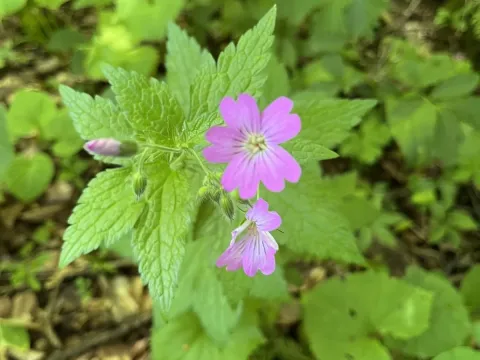
Geranium gracile
Geranium gracile
Geranium gracile is a perennial herbaceous plant typically propagated by seeds or division of the root system. Sowing seeds directly into open ground is best performed in late autumn, allowing for a natural period of winter stratification before germination.
What the section contains
Geranium gracile
When starting seeds in the spring, pre-treatment is essential due to the hard seed coat. Optimal sowing time in protected environments or seed trays is early March, ensuring sufficient daylight for vigorous seedling development.
Once true leaves appear, seedlings should be pricked out and hardened off gradually. Maintaining a stable, moderate temperature is crucial during this stage to prevent the plants from becoming leggy before they are transplanted to their permanent location.
Transplanting into the field usually occurs in late May after all frost risks have passed. Spacing is important; individual plants should be placed at least 35 to 40 centimeters apart to allow for proper airflow and mature growth.
Vegetative propagation via root division is most successful when performed in early spring or late August. Each division must contain a healthy root system and several viable growth buds to ensure rapid re-establishment in new soil.
This species thrives in sunny or partially shaded environments. Geranium gracile is adaptable to various soil types but prefers fertile, well-drained loams with a near-neutral pH for optimal nutrient uptake and root development.
The plant exhibits high cold tolerance, making it suitable for a wide range of climatic conditions. However, adequate soil moisture is required, particularly during the primary growth phase, to ensure healthy foliage and flower production.
Irrigation should be managed carefully, especially during dry spells, to avoid drought stress. Mulching around the base of the plant is an effective strategy to conserve soil moisture and suppress weed growth, reducing the need for intensive cultivation.
Nutrient management involves applying balanced mineral fertilizers early in the spring. This practice promotes lush vegetative growth and supports the high energy requirements of the plant during the peak blooming period.
Field maintenance includes regular weeding and soil aeration between rows. Improving the soil structure is vital for healthy root respiration and preventing the accumulation of pathogens that flourish in compacted, poorly managed soil.
Aphids and spider mites are the most common pests affecting Geranium gracile, often attacking the tender growth. Standard agricultural practices, including the use of systemic insecticides or biological controls, are effective for managing these populations.
Powdery mildew is a frequent disease, particularly in high-humidity conditions or dense plantings. Improving air circulation around the plants and applying fungicides at the first sign of symptoms can effectively control the spread of the fungus.
Root rot represents a significant threat, usually caused by overwatering or improper drainage. Careful monitoring of soil moisture levels is necessary to prevent the development of anaerobic conditions that lead to root decay.
Foliar leaf spots can occur during wet summers, reducing the plant's aesthetic value and photosynthetic capacity. Routine scouting and the application of copper-based treatments are recommended to keep disease pressure below the economic threshold.
Slugs and snails can cause damage to young shoots in early spring. Physical barriers, such as sharp gravel or wood ash, are practical, environmentally friendly methods for protecting young plants from these common garden pests.
For commercial or medicinal use, the harvesting of the aerial parts should occur at the peak of the flowering stage, when the concentration of beneficial essential oils and secondary metabolites is at its highest point.
Cutting should be performed using sharp, clean tools to minimize tissue damage to the plant. It is best to harvest during the morning hours on a dry, sunny day once any residual dew has evaporated to ensure high-quality material.
The harvested plant material must be dried in a dark, well-ventilated area. Controlled temperatures are necessary during the drying process to ensure that the chemical components of the plant are not degraded by heat or sunlight.
Seed collection requires diligent observation; seed pods should be gathered just before they split naturally. Using breathable collection bags allows for proper drying and prevents seed loss in the field during the maturation process.
At the end of the vegetative season, cutting back the old foliage helps prepare the plant for winter. This maintenance practice also clears away overwintering sites for potential pests and diseases, ensuring a cleaner start for the next crop cycle.