
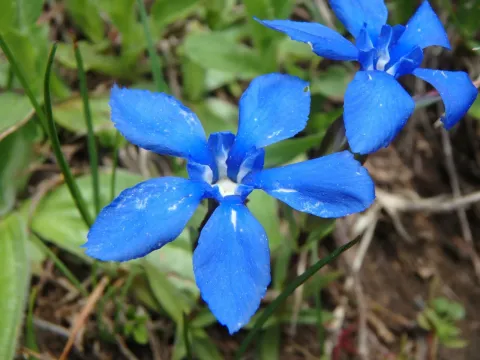
Gentiana delphinensis
Gentiana delphinensis
Gentiana delphinensis is a perennial herbaceous plant belonging to the Gentianaceae family, known for its specific requirements for successful propagation and establishment in cultivation.
What the section contains
Gentiana delphinensis
Seeds of this species exhibit dormancy, necessitating stratification at low positive temperatures (2–5°C) for several months to ensure a high germination rate and uniform seedling emergence.
Surface sowing is essential for Gentiana delphinensis seeds due to their extremely small size; they require light to germinate and must not be buried deeply in the growing medium.
The use of a seedling tray with a highly porous, sterile substrate is recommended to prevent damping-off, a common issue when starting these sensitive seeds in an artificial environment.
Transplanting into the permanent garden bed should be performed when the seedlings are robust enough, ideally in the early summer, ensuring the roots are handled with extreme care.
This species is well-adapted to high-altitude environments, which means its cultivation requirements focus on mimicking these specific ecological conditions for long-term health.
Well-draining, nutrient-rich soil that mimics the mineral composition of alpine slopes is crucial, as the plant cannot tolerate waterlogged conditions that lead to root decay.
Sunlight exposure should be balanced; while the plant enjoys bright conditions, intense afternoon heat in lower altitudes may require partial shading to prevent desiccation and heat stress.
Adequate moisture is required during the growing season, but the soil must be allowed to dry out slightly between waterings to prevent the development of pathogenic fungi around the crown.
Mulching with fine gravel is a recommended agrotechnical practice to keep the root zone cool and prevent the lower foliage from coming into direct contact with moist soil surfaces.
Fungal diseases, particularly crown and root rot, represent the most significant threat to Gentiana delphinensis, especially in regions with high humidity or poor soil drainage characteristics.
Gastropods such as slugs and snails often feed on the tender leaves of the young plants, potentially causing significant damage if left unchecked during damp weather conditions.
Aphids can occasionally infest the flower stalks, causing stunted growth and poor flowering, which necessitates timely intervention with mild organic soap sprays or biological controls.
Preventative measures, such as ensuring sufficient spacing between plants, are paramount to facilitate air movement and reduce the humidity levels that encourage disease outbreaks.
Regular monitoring of the growing site allows for the early detection of pests or infections, ensuring that the health of the plant population is maintained throughout the season.
Harvesting the aerial parts of Gentiana delphinensis is generally performed during the peak flowering stage to capture the highest concentration of bitterness compounds for medicinal use.
Post-harvest processing involves drying the plant material in well-ventilated, shaded areas at temperatures not exceeding 40°C to preserve the efficacy of its secondary metabolites.
For ornamental purposes, removing spent flower heads is vital for redirecting the plant's energy towards root storage, ensuring it survives the winter and thrives in the following spring.
Post-harvest care also includes light soil cultivation to ensure aeration and the application of a thin layer of protective mulch before the onset of the dormant winter season.
Proper adherence to sustainable harvest techniques ensures that the plant continues to produce quality biomass year after year without depleting its long-term physiological reserves.