
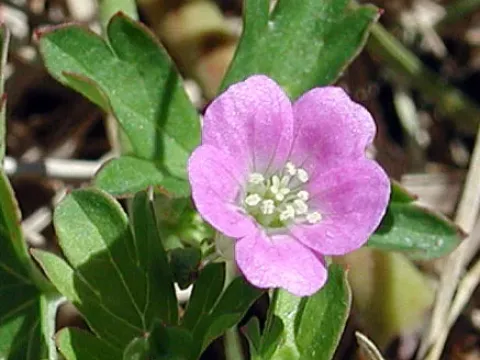
Geranium herrerae
Geranium herrerae
Sowing Geranium herrerae seeds is best performed in the spring when soil temperatures reach 15–18 degrees Celsius. Pre-sowing cold stratification for 4-6 weeks is highly recommended to break dormancy and ensure uniform germination.
What the section contains
Geranium herrerae
Use a well-draining seed-starting mix, typically consisting of equal parts peat and horticultural sand. Seeds should be sown at a shallow depth of 0.5–1 cm, as they require consistent moisture to sprout.
Once seedlings develop their first true leaves, they should be transplanted into individual pots to encourage stronger root development. This prevents overcrowding in the seed tray.
Hardening off the seedlings is essential before transplanting them into the open ground. This process should take place over 7–10 days, gradually exposing them to outdoor conditions.
When sowing directly into the garden, ensure the soil surface remains moist. Spacing should be approximately 30–40 cm apart to allow for proper airflow around the growing plants.
Geranium herrerae is a perennial herb belonging to the Geraniaceae family. Native to the high-altitude regions of the Andes, it is exceptionally adapted to cool, airy environments.
The species thrives in gritty, well-draining soils with a neutral to slightly acidic pH. Poor drainage or heavy clay soils can cause root asphyxiation and rapid decline of the plants.
Light requirements are significant; the plant demands full sun to partial shade for optimal growth. High light intensity enhances flower production and helps maintain the compact form of the plant.
Temperature management is critical; the plant prefers cool to moderate climates. It is cold-hardy, but during extreme winters, a protective layer of organic mulch can protect the crown from frost heaving.
Fertilization should be moderate. Apply a balanced, low-nitrogen liquid fertilizer during the early growth phase and again after the first wave of blooms to support healthy foliage and continued flowering.
The primary threat to Geranium herrerae is fungal infections caused by high humidity or poor air circulation. Powdery mildew can rapidly cover the foliage, necessitating prompt fungicide treatment.
Root rot is a significant risk in poorly draining soils. It is essential to ensure that the substrate dries out sufficiently between waterings to prevent the development of pathogenic fungi.
Aphids can be a recurring nuisance, clustering on young shoots and buds. Regular inspections and manual removal or the application of insecticidal soaps usually keep populations under control.
Spider mites may affect the plants during dry, hot spells. Increasing humidity around the foliage and using appropriate miticides can effectively manage these infestations.
Gastropods such as slugs and snails are attracted to the succulent-like foliage during wet weather. Using physical barriers like crushed gravel or commercial bait helps protect the plants from damage.