
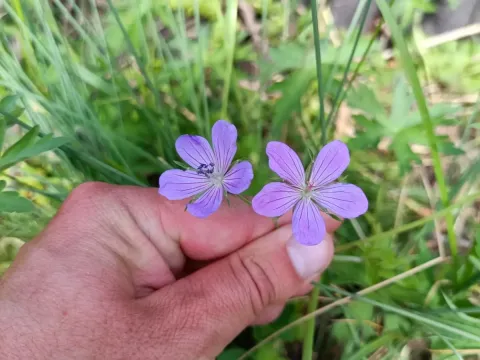
Geranium collinum
Geranium collinum
Geranium collinum is a perennial herbaceous plant belonging to the Geraniaceae family. Successful cultivation begins with high-quality seed selection and proper soil preparation before the planting season.
What the section contains
Geranium collinum
The ideal time for sowing is early spring when soil moisture is optimal, or late autumn, which allows the seeds to undergo natural stratification, improving their germination rate.
Seeds should be sown at a depth of 1 to 2 cm, ensuring sufficient space between rows to provide adequate airflow and sunlight for the developing seedlings.
Using a greenhouse-grown seedling approach can be highly effective in commercial settings, reducing the time required for crop establishment and increasing survival rates.
Ensuring proper moisture contact during the initial sowing phase is essential for uniform germination and establishing a robust crop density from the start.
This crop thrives in sunny, open locations, as shade significantly reduces the development of essential secondary metabolites within the plant tissues.
Well-drained, fertile soil is a primary requirement, as the plant is sensitive to waterlogged conditions that can lead to root system decay and poor plant vigor.
Geranium collinum is highly adaptable to various climatic zones, showing strong resistance to cold temperatures while requiring consistent moisture during the flowering stage.
Regular maintenance, including weeding and soil aeration, is necessary to keep the crop productive and to prevent competition from invasive or unwanted flora.
Nutrient management through organic or mineral fertilizers is recommended to maintain soil fertility and support the plant's sustained growth over several years.
The yield of Geranium collinum depends significantly on the maturity of the plants, with the highest productivity typically observed between the third and fourth year of cultivation.
To maximize yields, it is crucial to implement timely inter-row cultivation, which helps preserve soil structure and promotes better root development for individual plants.
The average harvest of dry raw material varies based on regional climate and specific agricultural practices, highlighting the importance of tailored crop management.
Optimal timing for harvest is the most critical factor for ensuring high-quality output, as nutrient concentrations fluctuate based on the plant's physiological development phase.
Consistent monitoring of plant density and health allows for sustained production, ensuring that the plantation remains viable and profitable throughout its lifecycle.
The crop is occasionally susceptible to fungal infections such as powdery mildew, especially during periods of high humidity or in dense, poorly ventilated planting arrangements.
Root rot represents a significant risk factor, often originating from improper soil drainage or excessive irrigation practices that stifle root health.
Common pests include aphids and spider mites, which can damage the tender shoot tips and foliage, reducing the overall vitality of the plantation if left unchecked.
Effective management includes integrated pest control strategies, emphasizing prevention and the maintenance of a balanced agricultural environment around the growing area.
- Maintaining spatial distance between plants to improve airflow.
- Regular inspections to detect pest and disease outbreaks early.
- Proper sanitation to remove dead or infected plant material from the field.
Harvesting should be carried out during the peak flowering stage to capture the maximum concentration of active botanical compounds required for medicinal use.
Stems must be cut using clean, sharp tools, ensuring that the crown of the plant is preserved to allow for healthy regrowth and future harvesting cycles.
Post-harvest processing involves rapid drying in well-ventilated, shaded environments to prevent the degradation of essential oils and other valuable components.
Strict temperature control during the drying process is necessary to maintain the physical and chemical integrity of the harvested material before storage.
Once dried, the product should be packaged in breathable containers and kept in a cool, dark, and dry place to ensure long-term stability and quality.