
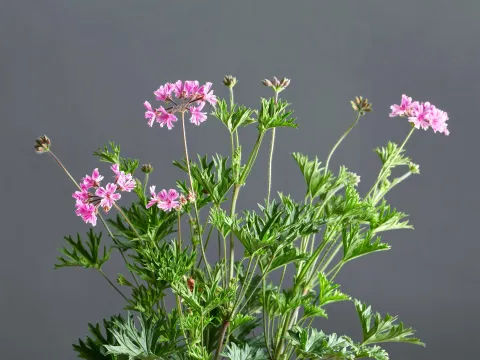
Geranium caffrum
Geranium caffrum
Sowing of Geranium caffrum is typically performed in early spring once the threat of frost has completely passed. The use of a well-draining seed-starting mix is highly recommended to encourage rapid root development.
What the section contains
Geranium caffrum
Seeds should be planted at a shallow depth, usually around 1 centimeter, to ensure they have enough energy to reach the surface. Firming the soil gently after sowing improves seed-to-soil contact.
For better success rates, indoor sowing in seed trays is a common practice. This allows for precise control over moisture and temperature, leading to higher germination percentages compared to outdoor direct sowing.
Transplanting seedlings to their final location should only occur when they have developed several true leaves. The hardening-off process is essential for adapting plants to outdoor environmental stressors.
Spacing requirements should be strictly followed to ensure adequate airflow, which is critical for preventing fungal diseases in the humid spring months.
Geranium caffrum thrives in sunny locations with well-draining, moderately fertile soil. It exhibits high adaptability to various soil structures provided that they remain porous and aerated.
Watering frequency should be moderate, allowing the soil to partially dry out between applications. Consistent overwatering is the primary cause of poor plant performance and root decay.
Environmental temperature management is key to long-term health. The plant performs best in a temperate climate but requires protection during extreme winter conditions or hard frosts.
Fertilization with a balanced, slow-release fertilizer during the active growing season will promote vigorous foliage and sustained blooming throughout the summer months.
Pruning is an important aspect of maintenance. By removing spent blossoms and damaged leaves, the grower encourages the plant to allocate energy towards new vegetative growth.
Root rot, primarily caused by Phytophthora or Pythium species, often occurs when soil drainage is insufficient. Improving soil structure with organic matter is the most effective preventative measure.
Aphids are the most common insect pests, capable of forming colonies on the undersides of leaves. Regular inspections and the use of insecticidal soap are recommended for non-toxic control.
Powdery mildew may manifest as a white, dusty layer on leaves when humidity levels fluctuate significantly. Proper plant spacing is the most effective way to manage this issue.
Spider mites thrive in hot, dry environments and can cause significant foliage yellowing. Maintaining appropriate moisture levels and occasional misting can deter these pests from settling.
Fungal leaf spots can be problematic in rainy seasons. Applying copper-based fungicides or removing infected tissue promptly helps in restricting the spread of pathogens across the plantation.