
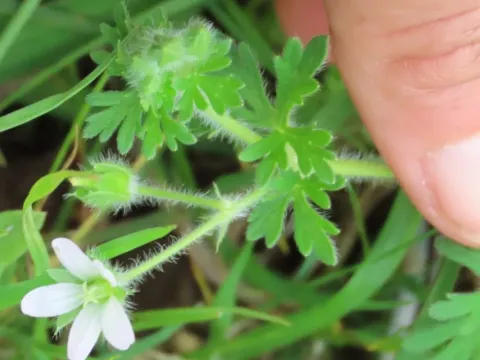
Geranium albicans
Geranium albicans
Geranium albicans is propagated primarily through seeds or division of the rhizome. Sowing in open ground is best performed in the autumn, allowing for natural stratification which is crucial for uniform germination in the spring.
What the section contains
Geranium albicans
When starting from seeds indoors, sowing should occur in February or March, maintaining a temperature range of 18–20 degrees Celsius. It is essential to use a light, well-draining substrate to prevent potential rotting of the seeds.
Seedlings should be pricked out into individual pots once the first true leaves appear. Transplantation into the final location in the garden should only take place once the risk of night frosts has completely passed.
For vegetative propagation, the bush is dug up in spring or early autumn, carefully dividing the rhizome into sections with multiple growth buds. This method ensures the preservation of varietal characteristics and promotes faster flowering.
The planting density is determined by the vigor of the variety, typically maintaining an interval of 30 to 45 centimeters between plants, ensuring adequate air circulation and light exposure.
This species belongs to the Geraniaceae family and prefers sunny to partially shaded locations with moderately moist soil. The plant is quite adaptable to different soil types but thrives best in loamy soils with a neutral or slightly acidic pH level.
A fundamental requirement for successful cultivation is high-quality drainage, as waterlogging in the root zone is detrimental to Geranium albicans. During the peak growing season, the plant requires regular but moderate watering, especially during dry summer months.
To maintain its aesthetic appeal and stimulate repeat blooming, the plant should be fertilized with complex mineral fertilizers twice a season: once at the beginning of the vegetation period and again during budding.
The plant possesses excellent cold resistance and is capable of surviving harsh winters without extra protection. Nevertheless, mulching the root area with peat or humus helps retain soil moisture and suppresses weed growth.
In its natural habitat, Geranium albicans is found in temperate zones on open mountain slopes and foothills, which explains its inherent resilience to strong winds and temperature fluctuations.
The primary threats to the healthy development of this plant are fungal diseases, such as powdery mildew and various leaf spots, which often emerge under conditions of high humidity and poor ventilation.
To prevent fungal infections, it is recommended to avoid overhead watering and to promptly remove any decaying plant debris that may serve as a reservoir for fungal spores.
Among pests, aphids and spider mites pose the greatest danger, as they extract sap from young foliage, thereby significantly reducing the overall vitality of the plant.
For pest control, system-acting insecticides or biological treatments based on plant extracts are employed, provided that the infestation is detected in the early stages.
Adhering to crop rotation practices and avoiding overly dense planting are the most effective strategies for protecting Geranium albicans from a wide range of diseases and pests.