
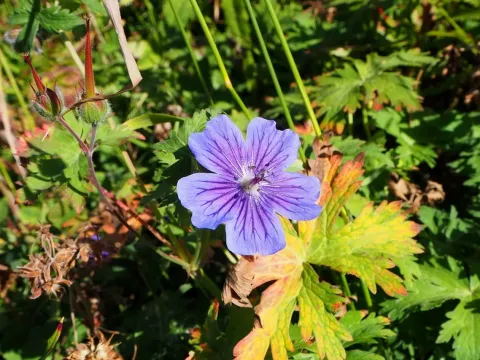
Geranium gymnocaulon
Geranium gymnocaulon
Geranium gymnocaulon is a herbaceous perennial belonging to the Geraniaceae family. Native to the mountainous regions of the Caucasus, this species has evolved to thrive in subalpine meadows and rocky environments, showing remarkable adaptation to harsh climates.
What the section contains
Geranium gymnocaulon
The plant is valued for its exceptional hardiness and ability to withstand freezing temperatures, making it a reliable choice for temperate garden zones. It thrives best in full sun exposure, which is crucial for maintaining the plant's compact growth habit and vibrant flower production.
For successful cultivation, well-draining soil is a fundamental requirement. It prefers a neutral to slightly alkaline substrate that mimics its natural rocky habitat. Heavy clay soils should be improved with grit or coarse sand to prevent moisture accumulation around the rhizomes.
Maintenance is relatively straightforward and consists primarily of ensuring that the soil does not become waterlogged. Occasional weeding and cleaning of the base after the winter season help to promote healthy airflow and stimulate vigorous spring growth.
In landscaping, this plant is highly prized for rock gardens, gravel beds, and alpine troughs. Its delicate yet resilient foliage combined with characteristic purple-blue flowers provides a sophisticated aesthetic that requires minimal intervention once established.
While Geranium gymnocaulon is naturally robust, it can be susceptible to fungal issues such as powdery mildew, especially if planted in areas with poor air circulation or consistently high humidity.
Root rot is the most significant physiological threat, usually caused by overwatering or poor drainage systems. Avoiding standing water and choosing an elevated or sloped planting site are the best preventative measures against this condition.
Gastropods such as slugs and snails may target the succulent leaves during damp weather conditions. Gardeners can manage these populations by using physical barriers or organic pest control methods to protect the plant's structural integrity.
Aphids might appear during exceptionally dry spells, particularly on tender new growth. Although rarely causing permanent damage to mature specimens, periodic inspections allow for quick mitigation using mild soap solutions.
Good horticultural practice involves regular monitoring and quick removal of any yellowing or diseased leaves. This simple approach prevents the spread of pathogens and maintains the overall vitality of the plant throughout the growing season.