
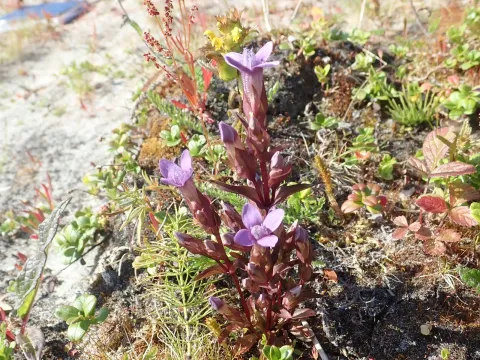
Gentianella hypericifolia
Gentianella hypericifolia
Gentianella hypericifolia is a distinct perennial plant species belonging to the Gentianaceae family. It is naturally distributed throughout the high-altitude mountainous regions of the Caucasus and adjacent areas, where it thrives in alpine and subalpine meadows, showcasing a remarkable adaptation to severe conditions.
What the section contains
Gentianella hypericifolia
The plant strictly requires well-drained, gritty, or rocky soils with neutral to slightly acidic pH values. Soil compaction or poor drainage systems are the primary factors limiting its successful establishment, as the root system is highly susceptible to hypoxia and secondary infections.
Climatic requirements involve cool, moist summers and a protective winter snow cover. It is a heliophilous species that performs best under high light intensity; however, the root zone must remain cool, often requiring the use of mulch or stone chippings around the base to prevent overheating.
Agricultural practice for this species focuses on simulating natural habitats. Cultivators should avoid heavy mineral fertilizers, preferring minimal organic amendments that support slow, steady growth typical of high-mountain plants, which ensures longevity and robust flowering cycles.
Economic and research utility revolves around its phytochemical profile. The species contains various bitter compounds, flavonoids, and iridoids, which are of significant interest for pharmacological research aimed at developing digestive aids or natural metabolic enhancers based on traditional mountain herbal knowledge.
The major phytopathological threats involve fungal pathogens that affect the root crown. Root rot, induced by waterlogging or high humidity without adequate ventilation, remains the primary cause of plant mortality in non-natural settings, necessitating strict irrigation control.
Insect pests include gastropods, such as slugs and snails, which can cause severe defoliation during rainy periods. Furthermore, aphids can colonize the developing flower buds, causing malformation of the blossoms and reducing the overall reproductive capacity of the population.